


UK Inflation Rate Declines in April Amid Energy Price Cap Reduction
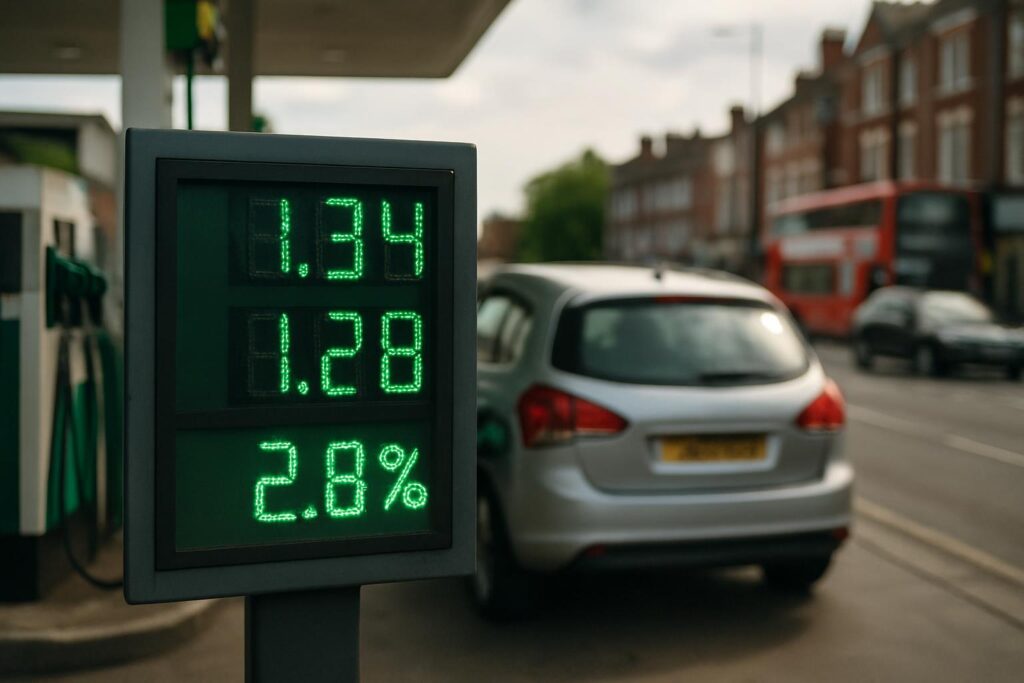
The United Kingdom experienced a slowdown in inflation, with the consumer prices index (CPI) falling to 2.8% in April, according to the Office for National Statistics (ONS). This decline marks a notable easing from March’s inflation rate of 3.3%, offering a positive outlook for the UK economy amidst ongoing global uncertainties.
The Role of Energy Price Cap in Inflation Dynamics
The decrease in inflation was significantly influenced by a reduction in the household energy price cap, which helped mitigate the impact of rising fuel costs since the escalation of tensions in the Middle East, particularly the Iran conflict. The lower energy prices contributed to a decrease in electricity and gas bills, easing inflationary pressures for households.
Details of the Energy Price Cap Adjustment
- The typical annual dual-fuel bill in Great Britain dropped to £1,641 from April, down from £1,849 the previous year.
- This adjustment was partly driven by the government’s energy bill support package, which reduced both variable and fixed tariffs for consumers.
- Global wholesale energy prices also declined prior to the Middle East conflict, contributing to the lower Ofgem energy price cap.
Government Measures and Economic Support
Chancellor Rachel Reeves took steps to shield households from rising costs by shifting some renewable energy expenses into general taxation in her November budget. This policy move aimed to keep household bills in check while supporting economic stability.
Additional measures included:
- Less pronounced increases in water bills and vehicle excise duty compared to the previous year.
- A reduction in the inflationary impact on travel costs, with airfares falling by 3.3% in April.
Economic Outlook and Future Inflation Risks
Despite the encouraging figures, economists warn that the slowdown may be temporary. The recent surge in global oil prices, exceeding $110 a barrel due to disruptions in the Strait of Hormuz, suggests that fuel prices may continue to rise, potentially pushing inflation back up later in the year.
Suren Thiru, Chief Economist at the Institute of Chartered Accountants in England and Wales, indicated that April’s slowdown could be an “interlude,” with fuel and food prices likely to cause inflation to reach around 4% during summer months.
Broader Economic Indicators and Monetary Policy
In addition to inflation data, recent figures showed a slowdown in wage growth and a slight rise in unemployment, which may influence the Bank of England’s monetary policy decisions. The Bank, which maintains interest rates at 3.75%, faces the challenge of balancing inflation control with supporting economic growth. Many experts now anticipate a prolonged pause in rate hikes, contingent on energy prices and global economic developments.
Conclusion
The April inflation slowdown reflects the positive impact of government policies and declining global energy prices, providing some relief to UK households. However, ongoing geopolitical tensions and rising fuel costs pose risks to the inflation outlook, requiring close monitoring by policymakers and financial markets.