



UK Inflation Shows Unexpected Decline in April
In a promising development for consumers and the economy, the UK’s inflation rate decreased more than anticipated in April, dropping to 2.8% from 3.3% the previous month, according to the Office for National Statistics (ONS). This marks a significant slowdown influenced mainly by lower electricity and gas bills, which had surged in the previous year.
Key Factors Behind the Inflation Drop
The reduction in inflation was primarily driven by a notable decrease in energy prices, which contributed to the overall decline. The government’s energy bill support measures and lower global wholesale energy prices before the Middle East conflict played a crucial role in reducing regulated utility costs. As a result, the energy price cap was lower this year, easing the household burden.
Food Prices Continue to Slow Down
Food inflation also eased, with the rate falling to 3% from 3.7% in March. The slowdown was led by declines in prices for meat, sugar, chocolate, oils, coffee, tea, and soft drinks. Notably, prices in 11 food categories fell, with the most significant drops seen in olive oil (-9.3%), flours (-6.1%), and pizza (-4.4%). However, some categories, such as beef and veal, fish, and preserved fruits, experienced sharp increases.
Rising Fuel Costs and Supply Chain Pressures
Despite the overall slowdown, increases in motor fuel prices offset some gains. The average petrol price rose by 16.6 pence per litre, reaching 156.8p, the highest since November 2022. Diesel prices also surged, up by 31.3 pence per litre to 190p, reaching levels last seen in July 2022. These rises reflect ongoing supply chain disruptions and geopolitical tensions, notably the conflict in the Middle East, which has increased production costs for fuel and other commodities.
Manufacturing and Raw Material Costs Rising
Higher oil and petrol prices have contributed to increased costs for raw materials and factory goods. The cost of raw materials increased by 7.7% over the year, and factory gate prices rose by 4%. These rising costs are expected to feed through to consumer prices in the coming months, potentially impacting inflation again.
Expert Reactions and Future Outlook
Economists and industry leaders have offered mixed views on the outlook. Anna Leach, chief economist at the Institute of Directors, noted that the recent slowdown might be short-lived due to ongoing geopolitical tensions and rising energy costs. She emphasized the importance of targeted policy actions to address rising costs in regulation, taxation, and energy sectors.
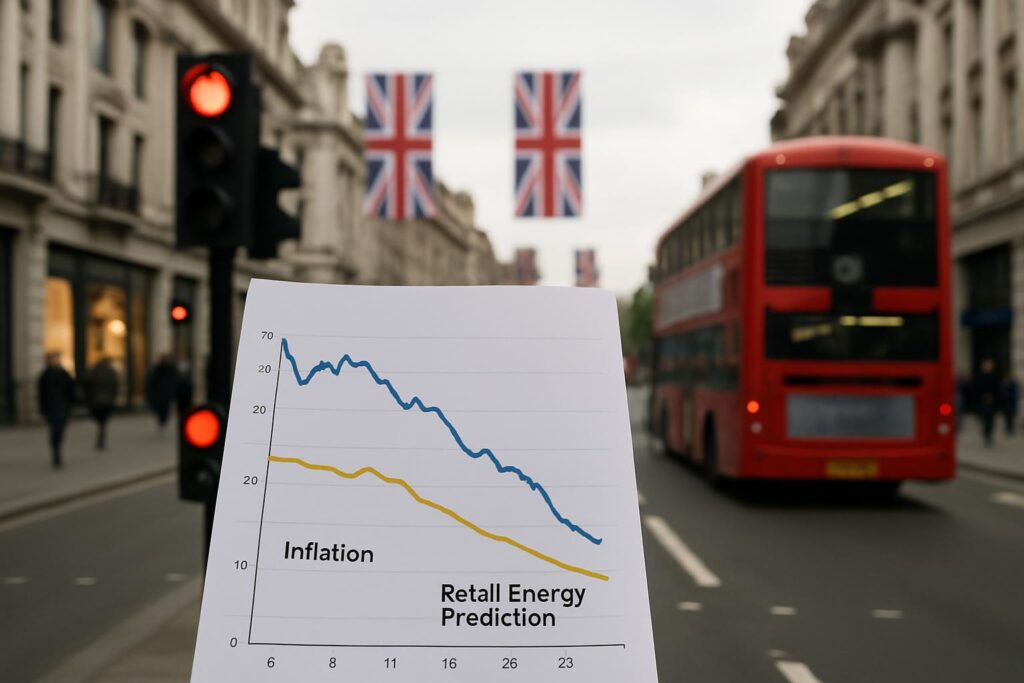
“Inflation is set to remain elevated as higher energy and commodity prices continue to ripple through supply chains. Policy responses should focus on mitigating these drivers to prevent further price increases,”
Luke Bartholomew, deputy chief economist at Aberdeen Standard Investments, highlighted that although inflation slowed unexpectedly, it is likely to climb again after the energy price cap is reset in July, potentially reaching around 3.5%. He also suggested that the Bank of England might hold interest rates steady despite inflation pressures due to a fragile labor market.
Impact on Monetary Policy and Household Finances
The Bank of England has so far resisted raising interest rates, citing the weaker economic growth and subdued wage increases. However, with inflation expected to rise again, discussions around rate hikes or cuts remain ongoing. The recent inflation data provides some relief but underscores the need for cautious monetary policy to balance economic growth and price stability.
Looking Ahead
The UK faces a challenging path forward, with inflation influenced by both domestic factors and international geopolitical developments. While April’s data suggests a temporary reprieve, experts warn that inflationary pressures could intensify in the coming months, especially with rising energy costs and supply chain disruptions.
Consumers and businesses should stay attentive to ongoing policy changes and market developments that could impact prices and economic stability in the months ahead.