




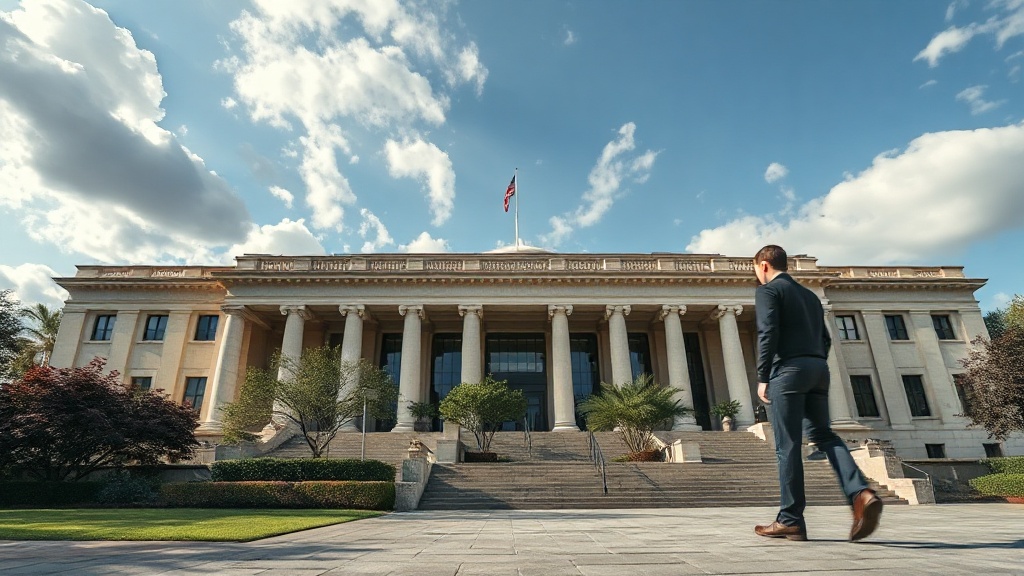
The long-standing consensus surrounding the U.S. Federal Reserve’s 2% annual inflation target is facing renewed scrutiny. Recent commentary involving Kevin Warsh, a former Federal Reserve governor, and Vice President-elect J.D. Vance has sparked a broader debate among economists and market participants regarding the future of U.S. monetary policy objectives.
The 2% Target Under Examination
For decades, the 2% inflation target has served as the primary anchor for the Federal Reserve’s monetary policy decisions, intended to maintain price stability while supporting maximum sustainable employment. However, recent discussions have questioned whether this benchmark remains appropriate given the evolving structural realities of the U.S. economy.
Critics of the current framework argue that the 2% goal may be too restrictive in a post-pandemic landscape characterized by supply chain shifts, demographic changes, and heightened fiscal spending. Conversely, proponents of the status quo warn that any official move to adjust or abandon the target could unanchor inflation expectations, potentially leading to increased price volatility.
Macroeconomic Implications
The discourse surrounding potential shifts in inflation policy carries significant weight for financial markets. The Federal Reserve’s commitment to its mandate directly influences interest rate cycles, bond yields, and the valuation of risk assets. Should the central bank face pressure to adopt a more flexible approach to inflation, it would necessitate a fundamental recalibration of market expectations regarding terminal interest rates.
- Policy Credibility: Central bank independence is often tied to the consistency of its inflation mandate.
- Market Reactions: Investors closely monitor any signals of a shift in policy, as such changes typically precede volatility in the Treasury and equity markets.
- Economic Growth: The balance between inflation control and economic stimulus remains the central tension of modern monetary policy.
While no formal policy changes have been enacted, the inclusion of these viewpoints in the national conversation highlights a growing divide between traditional monetary doctrine and alternative economic theories. Market observers remain focused on upcoming Federal Open Market Committee (FOMC) meetings for any subtle shifts in language that might indicate a move away from the established 2% target.