



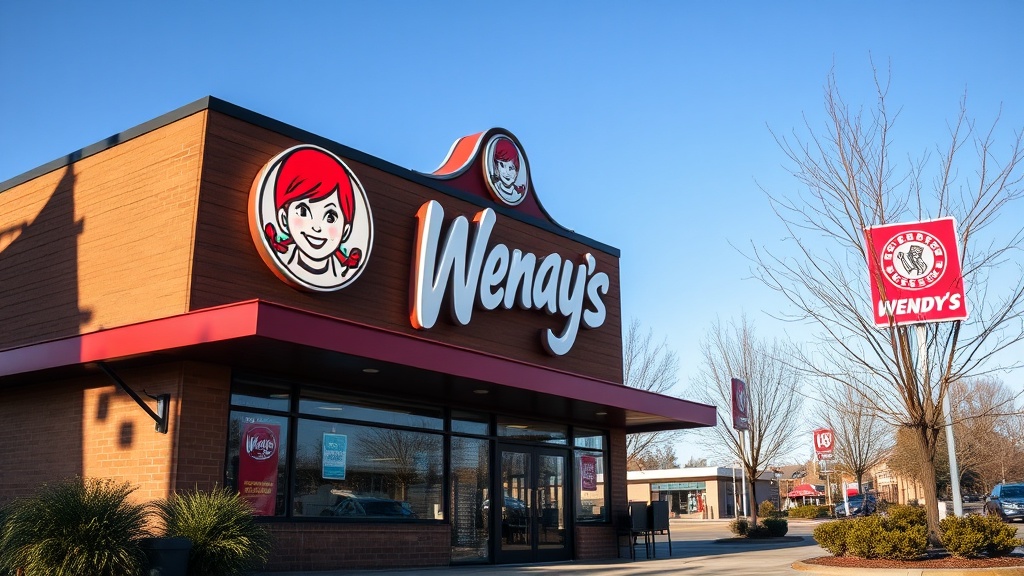
Shares of the fast-food chain Wendy’s experienced a sharp upward movement in Wednesday’s trading session, surging more than 25%. This notable rally has drawn attention to the company’s stock performance, prompting discussions regarding the role of retail investor sentiment in driving short-term market fluctuations.
Market Context and Retail Dynamics
The sudden increase in Wendy’s share price highlights the ongoing influence of retail trading communities on equity markets. While the company operates primarily within the competitive quick-service restaurant sector, recent price action suggests that its ticker has become a focal point for day traders and retail-driven market participants.
Market analysts often observe that sudden, outsized rallies in established consumer brands—especially those not fueled by immediate fundamental news such as earnings reports or corporate restructuring—are frequently tied to social media sentiment and coordinated retail interest. This phenomenon, which gained significant prominence during the “meme stock” era, continues to present challenges for traditional market valuation models.
Implications for Investors
For investors, such volatility serves as a reminder of the distinction between business fundamentals and speculative momentum. While retail interest can lead to significant short-term gains, it often results in heightened price swings that do not necessarily reflect the long-term outlook of the company’s underlying business operations, such as its franchise growth, margins, or consumer demand trends.
As the situation develops, market participants are watching to see whether the interest in Wendy’s will sustain its momentum or if the price will normalize as the initial retail enthusiasm subsides. For now, the stock remains a subject of close observation for those tracking the intersection of digital community sentiment and traditional equity performance.