



Berkshire Hathaway’s Shift Toward Liquidity
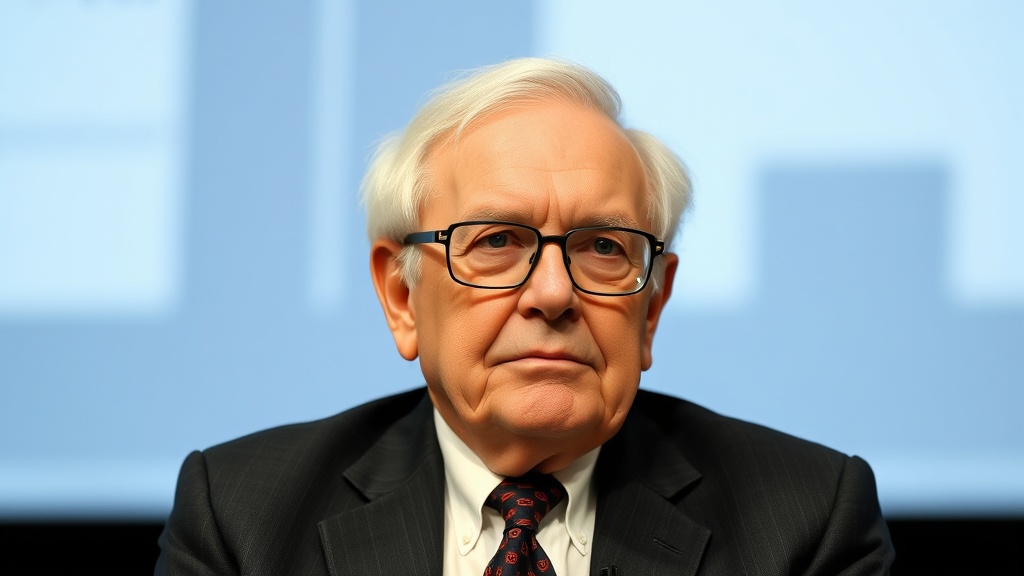
As Warren Buffett concluded his tenure as CEO of Berkshire Hathaway in the final quarter of 2025, his final strategic moves signaled a distinct shift toward caution. The conglomerate ended the period with a substantial $370 billion in cash, cash equivalents, and short-term Treasuries. This massive accumulation of liquid assets, coupled with the consistent net selling of equity holdings, highlights a conservative approach in an environment where the legendary investor has noted a scarcity of attractive opportunities.
Buffett’s cautious outlook is underscored by his observation on current market sentiment. Earlier, during a CNBC interview, he remarked, “We’ve never had people in a more gambling mood than now,” suggesting that the prevailing investor behavior is driven more by speculation than by fundamental value analysis.
Macro Valuation Metrics Reach Historic Extremes
The skepticism surrounding current market valuations is supported by two specific metrics frequently associated with Buffett’s analytical framework. These indicators suggest that equity markets are currently operating at levels of valuation that have historically preceded periods of lower returns.
- The Buffett Indicator: This metric, which compares the total U.S. stock market value to gross domestic product (GDP), has reached an all-time high of 237%. It is often used to gauge whether the market is overextended relative to the underlying economy.
- CAPE Ratio: The Cyclically Adjusted Price-to-Earnings Ratio, or Shiller PE, currently stands at 42.2. This level of valuation has only been reached once before, during the dot-com bubble of the late 1990s.
Contextualizing Market Exuberance
The current market environment has been heavily influenced by the outsized growth of major technology firms, particularly those positioned at the forefront of artificial intelligence. The S&P 500 index generated a total return of 314% over the past decade, a performance significantly exceeding historical averages. This growth has been bolstered by the rise of passive investing and high investor appetite for tech-forward enterprises.
However, analysts point to instances of market exuberance, such as the valuation of Space Exploration Technologies, which reached a market capitalization of $1.7 trillion despite reporting $18.8 billion in annualized revenue during the first three months of 2026. Such figures contrast sharply with traditional value investing principles, which prioritize earnings consistency and valuation discipline.
The Outlook for Long-Term Investors
While metrics like the Buffett Indicator and the CAPE ratio provide a data-driven basis for concern regarding future equity performance, they are not predictive tools for timing the market. Historically, market participants have expressed concerns about valuations during various periods of recovery, including as far back as 2013, yet the broader indices continued to appreciate. For the average investor, these indicators serve more as a reminder of the importance of maintaining a long-term focus, portfolio diversification, and the consistent practice of dollar-cost averaging, rather than as a signal for immediate portfolio liquidation.