
A Historic Expansion for US Semiconductor Capacity
Taiwan Semiconductor Manufacturing Company (TSMC) has solidified its position as the cornerstone of the United States’ domestic chip manufacturing strategy, confirming an additional $100 billion investment in its Arizona operations. Announced during the company’s second-quarter earnings call on July 16, 2026, this latest commitment brings TSMC’s total planned capital expenditure in the US to $265 billion—marking the largest foreign direct investment in American history.
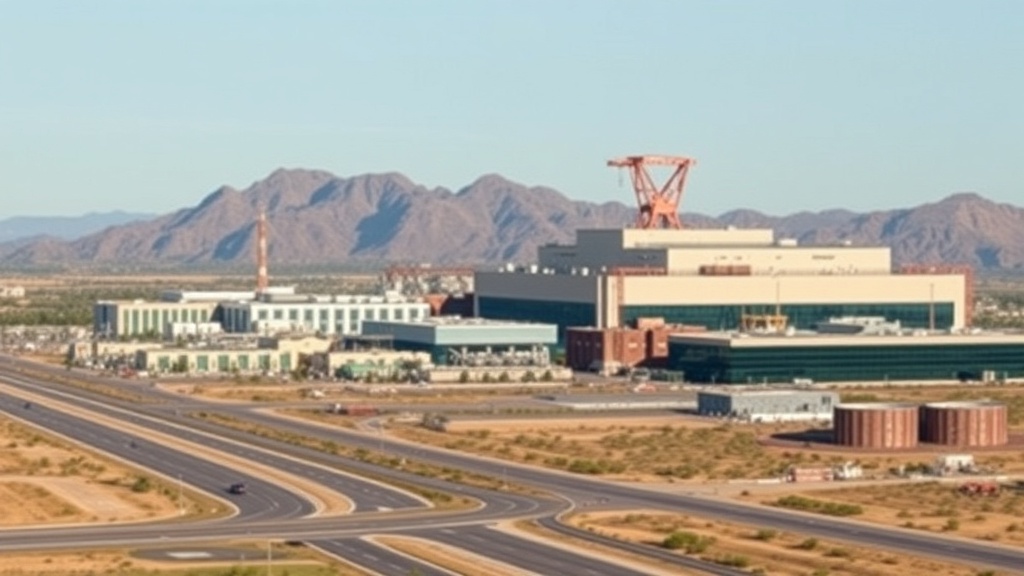
The expansion is set to bring the company’s US footprint to 12 advanced semiconductor and packaging plants in Phoenix. Crucially, the plans include the deployment of 2-nanometer production technology, ensuring that the facilities will produce leading-edge chips rather than legacy hardware. The integration of advanced packaging—the process of stacking processors with high-bandwidth memory—is expected to enable full end-to-end manufacturing of high-performance AI chips on American soil.
The Disconnect Between Corporate Growth and Market Sentiment
Despite the historic nature of the investment and a strong quarterly performance, TSMC shares experienced downward pressure following the announcement. Investors appear to be weighing the long-term strategic benefits against the immediate financial impact of an aggressive capital expenditure (capex) schedule.
TSMC reported robust financial metrics for the second quarter of 2026:
- Revenue: $40.20 billion, an increase of 33.7% year-over-year.
- Net Income: Approximately $22 billion (NT$706.56 billion), up 77.4% from the prior year.
- Operating Income Growth: 65.4% (adjusting for non-operating items).
Management also raised its full-year revenue growth guidance to slightly above 40%. However, the market reacted to the company’s decision to increase its 2026 capital budget to a range of $60 billion to $64 billion—up from the previous forecast of $52 billion to $56 billion.
Financial Implications of Geographic Diversification
The market’s cautious reaction reflects the reality that building and operating advanced fabrication plants in Arizona is costlier than in Taiwan. TSMC management has explicitly warned that these overseas facilities are expected to dilute gross margins by 2% to 3% in the initial years, potentially rising to 3% to 4% as operations scale.
For investors, the central tension lies in the timing of the return on investment. The $265 billion commitment is a promise to spend, with the company noting that the construction schedule for the new facilities will remain flexible, tied closely to customer demand rather than fixed timelines. Analysts suggest that while the capital raise serves as a strong indicator of sustained AI demand, shareholders remain concerned about the short-term impact on free cash flow.
Strategic Outlook and Risks
The Arizona buildout is part of a broader trade framework reached between the US and Taiwan. To maintain its competitive edge and secure its domestic supply chain, the US government has implemented a reciprocal tariff structure, incentivizing foreign chipmakers to localize production.
However, the transition remains a multi-year project. With over 80% of advanced foundry revenue still concentrated in Taiwan, the geographic diversification is a long-term hedge against systemic risk. As TSMC moves forward, market participants are expected to closely monitor the relationship between capital expenditure and free cash flow in upcoming quarterly reports, seeking confirmation that the massive investment is creating long-term value that outpaces the current consumption of cash.