


Market Reaction to Geopolitical Developments
Global oil prices experienced their most significant single-day increase in two months as geopolitical uncertainty surrounding the Middle East intensified. Both Brent crude and West Texas Intermediate (WTI) futures saw upward pressure following remarks from U.S. President Donald Trump regarding the status of diplomatic engagements with Tehran.
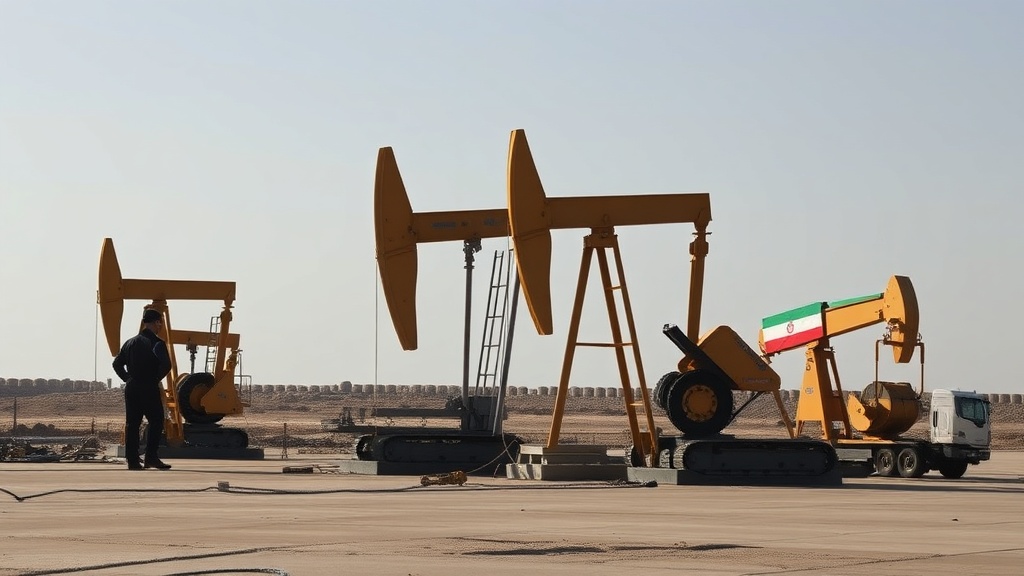
The market reaction stems from President Trump’s recent suggestion that ongoing efforts to reach a cease-fire or negotiate with Iran are effectively over, characterizing further dealings with the nation as “a waste of time.” This shift in rhetoric has introduced a new layer of risk premium into energy markets, as investors assess the potential for disrupted supply chains in a volatile region.
Impact on Crude Benchmarks
The energy sector remains highly sensitive to developments involving major oil-producing nations and transit routes. Crude oil benchmarks are often the first to reflect market concerns over potential supply bottlenecks:
- Brent Crude: The global benchmark saw a sharp reversal of recent trends, climbing as traders recalibrated their expectations for regional stability.
- West Texas Intermediate (WTI): Domestic U.S. crude prices tracked the international benchmark higher, reflecting the interconnected nature of the global energy market.
Geopolitical Risk and Energy Markets
While energy prices are influenced by a complex array of factors—including global demand forecasts, inventory levels from the U.S. Energy Information Administration (EIA), and production quotas from OPEC+—geopolitical events often act as a primary catalyst for sudden volatility. The uncertainty surrounding U.S.-Iran relations highlights the ongoing vulnerability of oil prices to sudden shifts in foreign policy.
Market participants continue to monitor the situation closely, as any escalation in rhetoric or actual policy changes could lead to sustained price fluctuations in the coming weeks. For now, the move reflects a market moving to price in the renewed risk of conflict or diplomatic stalemate in a critical oil-producing theater.