



Oil Markets Stabilize Following Diplomatic Developments
Global oil prices experienced a period of uncertainty and mixed performance on Thursday as traders weighed geopolitical developments in the Middle East. While volatility remains a characteristic of the current energy landscape, the latest market movements were largely dictated by reports concerning the relationship between the United States and Iran.
Impact of Cease-Fire Negotiations on Crude Prices
Market analysts observed that while global benchmarks saw varied results, U.S. crude oil prices managed to edge higher during the trading session. This movement followed reports suggesting potential progress toward an agreement that would extend the existing U.S.-Iran cease-fire.
The energy sector has been particularly sensitive to tensions in the region, which often serve as a primary catalyst for price fluctuations. Key factors influencing these market trends include:
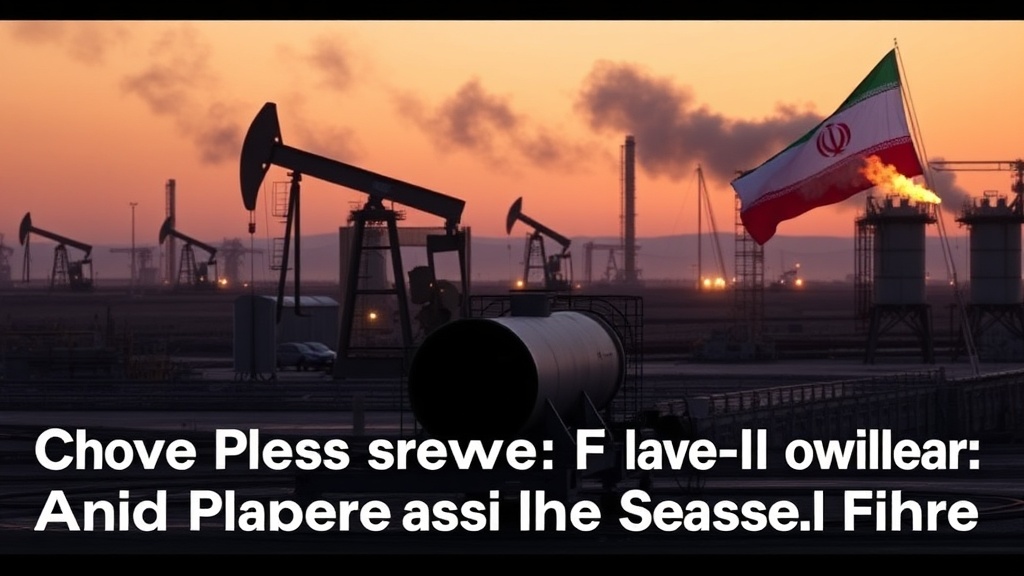
- Diplomatic Progress: Reports regarding the potential extension of the cease-fire have provided a degree of cautious optimism among investors.
- Market Sensitivity: Energy commodities remain highly reactive to any news that could impact supply chains or stability in major oil-producing regions.
- Mixed Trading Sessions: The divergence between global oil benchmarks and U.S. crude prices highlights the complex nature of current market sentiment, as traders digest conflicting signals regarding long-term regional peace.
As the situation continues to evolve, market participants are keeping a close watch on further official statements from the White House and regional stakeholders. The potential for a solidified diplomatic deal remains a pivotal factor in determining the near-term trajectory of global oil prices, as any disruption or progress in these negotiations has immediate implications for energy security and economic stability.