




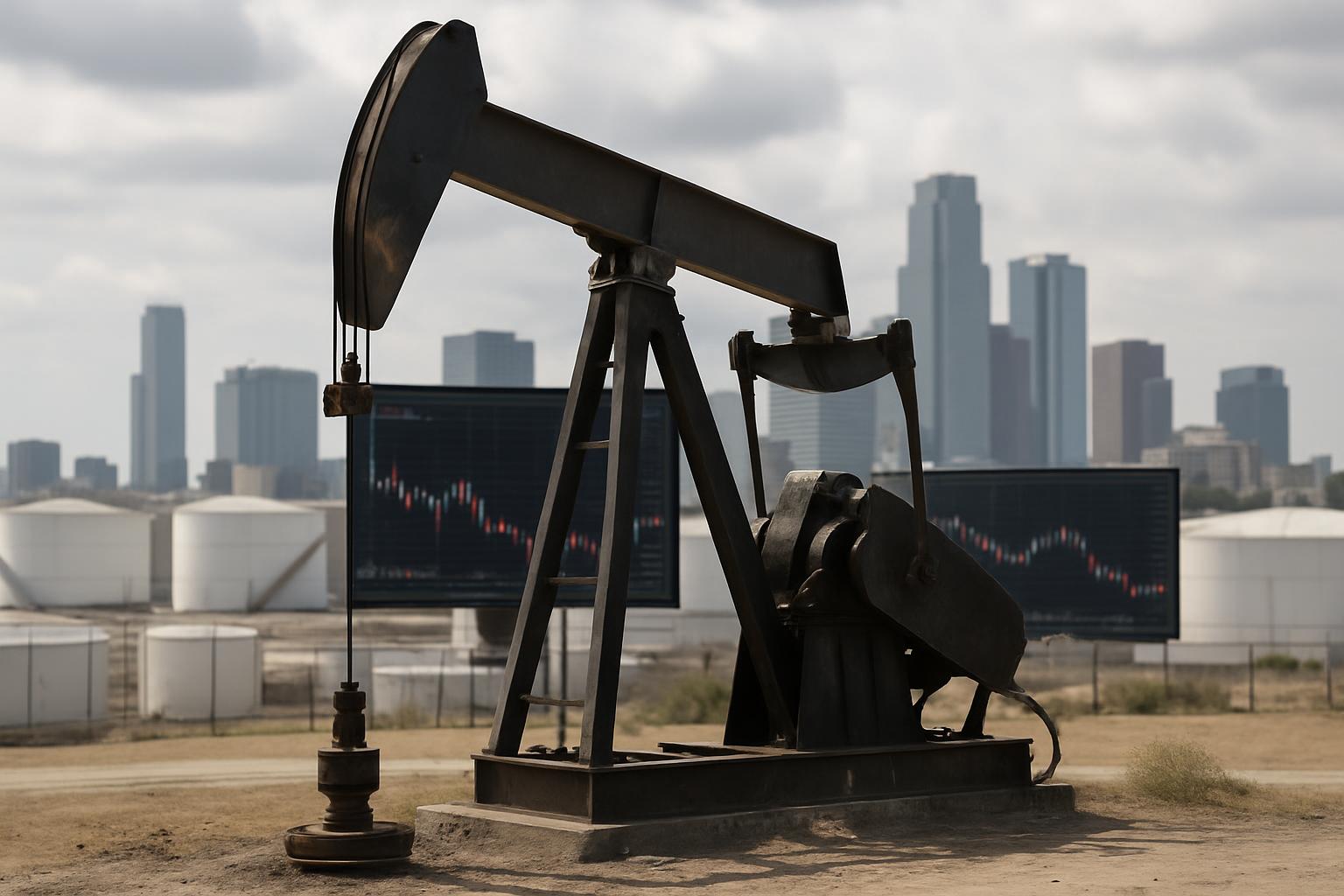
Oil Prices Decline as Diplomatic Talks Signal Potential Supply Relief
Oil prices have experienced a notable decrease as recent developments in diplomatic negotiations between the United States and Iran have raised hopes for easing supply disruptions. Investors are closely monitoring these diplomatic efforts, which could have significant implications for global oil markets.
Market Movements and Benchmark Data
On Wednesday, Brent crude futures for July delivery declined by approximately 2.5%, settling at $109.25 a barrel by early trading hours. Similarly, U.S. West Texas Intermediate (WTI) crude futures fell by about 1.9%, reaching $102.35 a barrel. Both benchmarks had already seen around a 1% decrease during the previous trading session.
Signs of Improved Supply Conditions
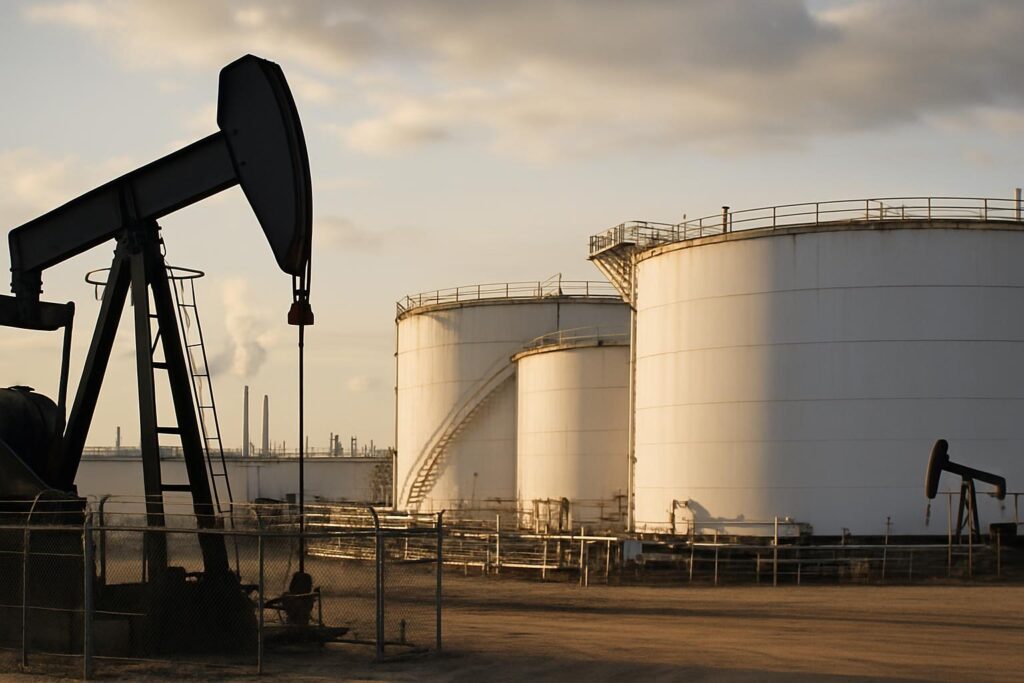
Recent shipping data indicates that crude oil tankers are gradually resuming movement through the Strait of Hormuz, a critical chokepoint for global oil transit. Notably, two Chinese-flagged supertankers have exited the Strait, suggesting an improvement in the flow of energy supplies. Additionally, a South Korean-flagged Very Large Crude Carrier was observed leaving the region, which has been largely restricted since tensions escalated between the U.S., Israel, and Iran earlier this year.
Diplomatic Developments and Political Signals
U.S. President Donald Trump recently conveyed optimism regarding Iran, suggesting that the conflict could end very quickly. He also mentioned that a planned military strike had been delayed, implying progress in diplomatic negotiations. Vice President JD Vance echoed this sentiment, indicating that Iran appears willing to negotiate a potential agreement.
Iranian state media reported that Tehran submitted a peace proposal calling for a ceasefire across all fronts, the withdrawal of U.S. forces from the region, and compensation for war-related damages. However, Washington has maintained that resolving Iran’s nuclear program remains a core condition for any agreement.
Market Expectations and Inventory Data
Investors are now awaiting the release of official U.S. oil inventory figures to gauge current supply levels. The American Petroleum Institute (API) reported a significant drawdown of 9.1 million barrels last week, far exceeding the expected decline of 3.4 million barrels. This data suggests a tightening of supplies in the U.S., which has also been supported by the release of 172 million barrels from the Strategic Petroleum Reserve by the Trump administration to mitigate supply shocks caused by Iran-related disruptions.
These developments collectively contribute to the current market sentiment, where increasing optimism about diplomatic solutions and supply stabilization is leading to lower oil prices in the global market.