





Understanding Mark Cuban’s Shift on Bitcoin
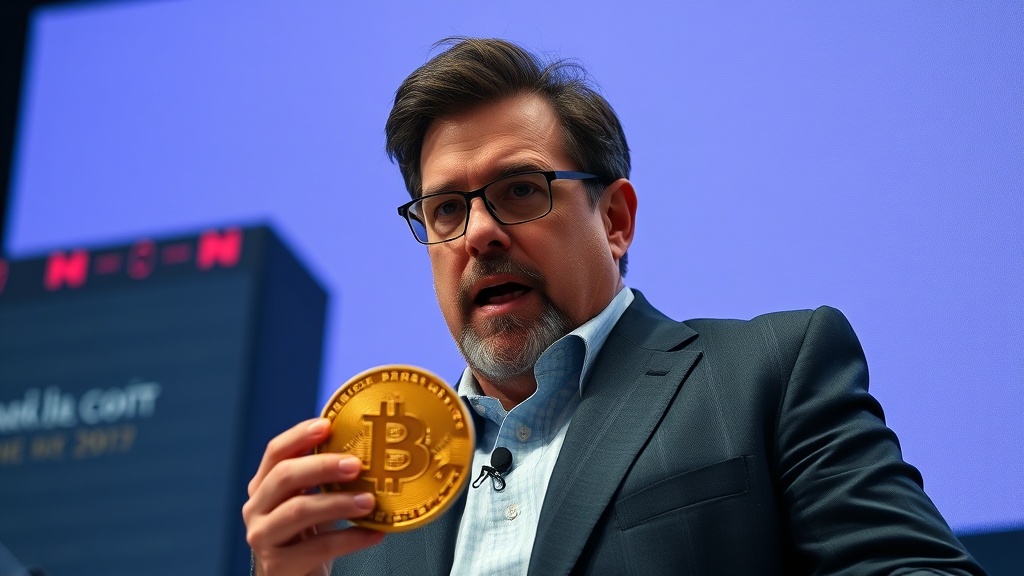
Billionaire investor Mark Cuban recently made headlines after announcing he has sold the majority of his Bitcoin holdings. During an appearance on the Front Office Sports podcast in May 2026, Cuban declared that the cryptocurrency has “lost the plot.” His decision was primarily driven by the belief that Bitcoin failed to act as a reliable store of value during recent periods of macroeconomic instability and geopolitical tension, specifically citing the conflict in Iran.
Cuban expressed frustration that Bitcoin did not mirror the performance of gold, which investors often turn to as a safe-haven asset during times of crisis. However, a closer look at the data suggests that the narrative surrounding Bitcoin’s performance may be more nuanced than the billionaire’s critique implies.
The Reality Behind the Performance Metrics
While Bitcoin remains roughly 40% below its October 2025 all-time high, the historical performance following the onset of the Iran conflict contradicts the idea that the asset is failing. While gold prices did peak earlier in the year, the precious metal actually saw a decline following the start of the conflict. Conversely, Bitcoin climbed from approximately $67,000 to $77,000 during the same timeframe.
Furthermore, Cuban’s argument that Bitcoin should inversely correlate with the U.S. Dollar—rising whenever the dollar falls—appears to be outdated. As Bitcoin matures and becomes more integrated into traditional finance, its behavior is shifting.
- Institutional Integration: The advent of spot Bitcoin exchange-traded funds (ETFs) has fundamentally changed the market dynamics.
- Correlation Changes: A March 2026 analysis by JPMorgan Chase revealed that Bitcoin’s correlation with the U.S. Dollar Index turned positive for the first time in over a decade.
- Portfolio Allocation: Large institutions now treat Bitcoin as a standard portfolio allocation, which naturally changes how the asset reacts to broader economic shifts.
Should You Follow the Sell Signal?
For individual investors, selling an asset simply because a high-profile billionaire has done so is rarely considered a sound financial strategy. While market volatility and ETF outflows have caused concern among some holders, the fundamental arguments for Bitcoin’s long-term utility remain intact.
The structural forces behind Bitcoin’s long-term investment thesis are still valid: its supply will keep tightening after each halving, its degree of institutional adoption will continue to increase, and it’ll still be an asset that no government can print more of.
Ultimately, while Bitcoin may currently lack the explosive momentum seen in previous market cycles, its evolution into a more institutional-grade asset suggests that the “lost the plot” narrative may overlook the broader transition the cryptocurrency is currently undergoing within the global financial system.