


Jamie Dimon’s Nuanced Outlook on 2026 Market Trends
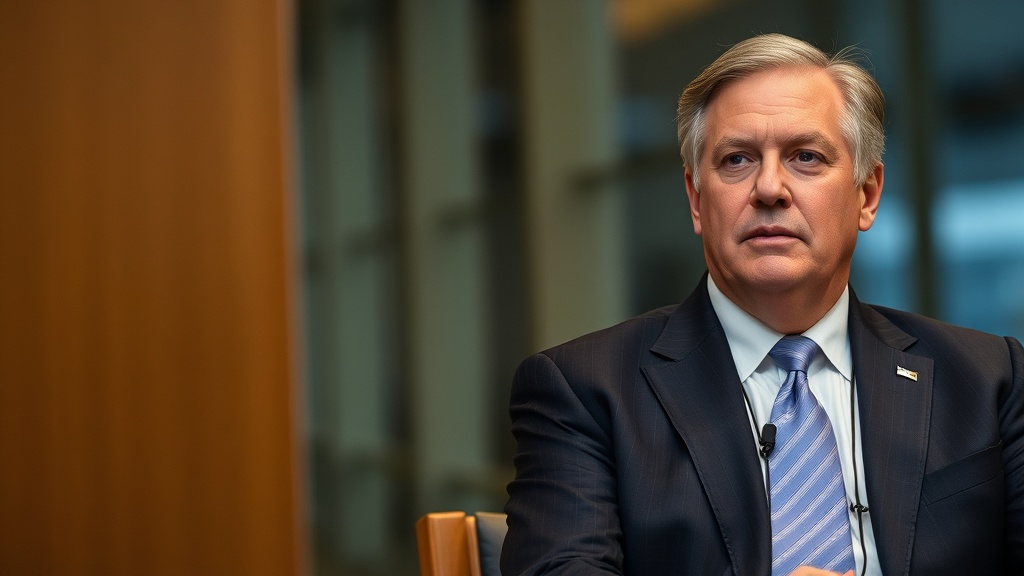
As the S&P 500 continues to trade near record highs and companies like Micron Technology reach trillion-dollar valuations in record time, JPMorgan Chase CEO Jamie Dimon has offered a measured, yet cautionary, perspective on the current state of the financial markets. Speaking at the Reagan National Economic Forum on May 29, 2026, Dimon clarified that while he acknowledges the market’s current momentum, he remains focused on underlying structural risks.
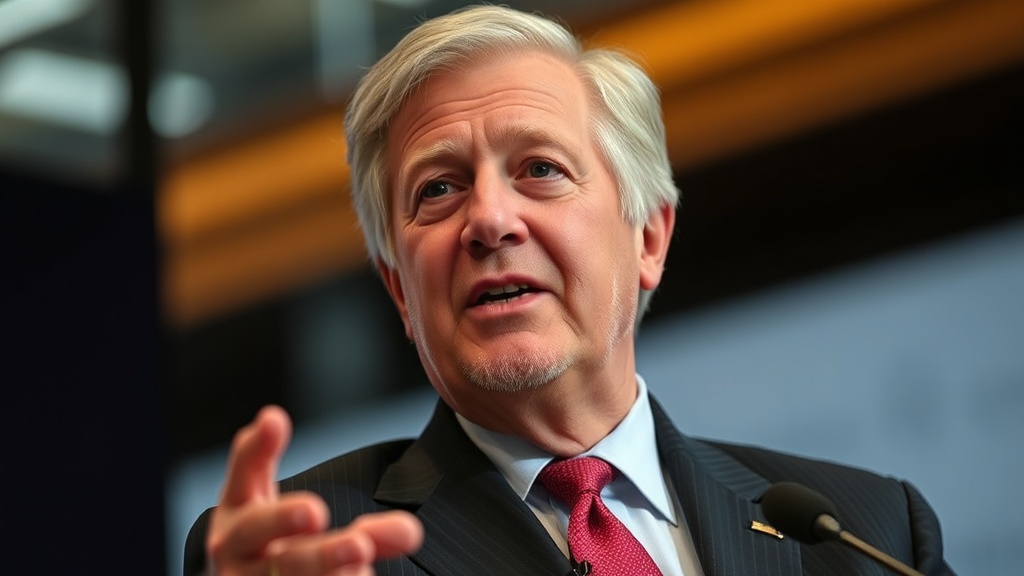
Rather than calling for a sell-off or labeling the market a definitive bubble, Dimon emphasized that market exuberance is a real phenomenon that can persist for extended periods. However, he cautioned that this enthusiasm is currently masking potential fragility.
Key Risks Underpinning the Market
Dimon highlighted several specific factors that he believes are currently being underpriced by investors:
- Inflation Concerns: Dimon warned that inflation could easily reach 4% this year. Higher inflation typically leads to increased bond yields, which act as “gravity” for asset prices and put direct pressure on equity valuations.
- Market Froth: Pointing to the rapid rise of companies like Micron Technology—which saw its valuation double to $1 trillion in just 48 trading days—Dimon suggested that some of the current market activity is driven by hype rather than pure fundamentals.
- Credit Spreads: With credit spreads currently at historically tight levels, investors are not being sufficiently compensated for default risks. Dimon noted that if market conditions shift, these spreads could widen rapidly, amplifying volatility across all asset classes.
- Geopolitical Instability: Ongoing conflicts in Ukraine and the Middle East, coupled with shifting global trade relationships, remain significant threats to supply chains and investor confidence.
A Mixed Signal for the Economy
Despite his warnings regarding market valuation, Dimon’s outlook on the broader economy remains resilient. JPMorgan data signals positive trends in corporate activity, with the firm expecting investment banking fees to rise by at least 10% in the second quarter. This growth is supported by a pickup in mergers and acquisitions and healthy trading revenue, suggesting that the “legitimate fuel” behind the market rally—corporate expansion and spending—is still present.
What This Means for Investors
Dimon’s message is ultimately one of preparation rather than prediction. He suggests that the current market environment is characterized by a gap between how well things feel and how quickly they could change. For investors, his remarks serve as a practical reminder to stress-test portfolios against potential shocks, such as rising interest rates or a sudden widening of credit spreads. As Dimon noted, the absence of a market correction thus far does not mean that the risks have diminished.