
The Reality Behind Fuel Prices
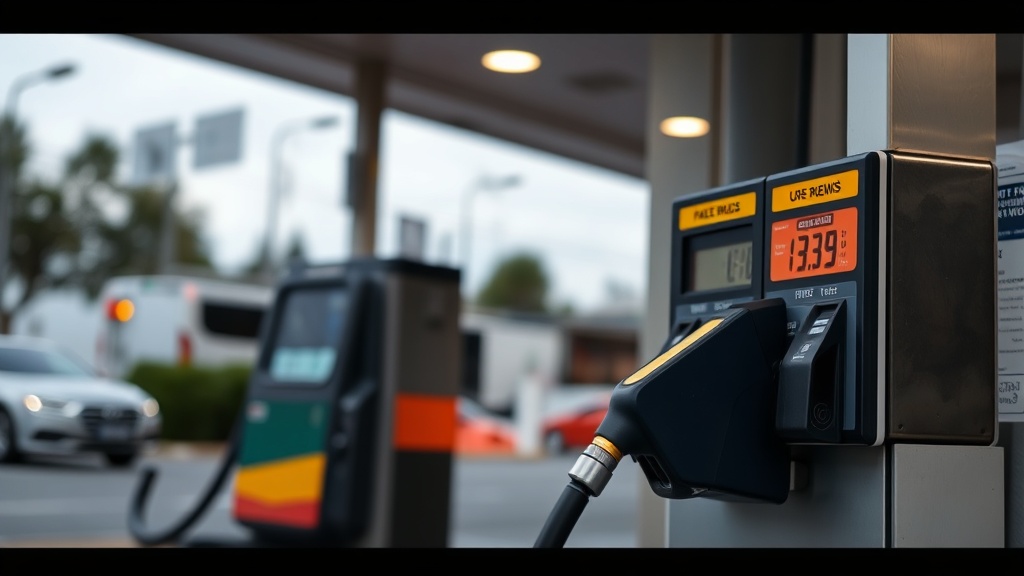
As the conflict with Iran enters its third month, American drivers are grappling with significantly higher fuel costs. While political leaders have suggested that prices could drop rapidly once hostilities conclude, energy experts warn that a return to pre-war averages of approximately $3 per gallon is unlikely in 2026. Current national averages sit at roughly $4.55 per gallon, an increase of about $1.50 since the escalation of the conflict in late February.
Why Prices Cannot Drop Overnight
Industry analysts emphasize that energy markets do not normalize instantly. Even if a peace deal were secured immediately, several logistical and infrastructure hurdles prevent a quick recovery:
- Infrastructure Repairs: Assessing and repairing oil wells, refineries, and ports in the Persian Gulf could take weeks or even months.
- Logistical Bottlenecks: Clearing the backlog of shipping traffic and repositioning vessels, such as the slow-moving very large crude carriers, requires significant time.
- Technical Constraints: Unlike US shale wells, traditional Gulf oil wells take longer to restart, and refineries require a process of heating up before they can effectively process crude oil again.
“For retail prices to drop $1.50, I think we could kiss that number goodbye for 2026,” says Denton Cinquegrana, chief oil analyst at Dow Jones Energy.
The Impact of the Strait of Hormuz
The closure of the Strait of Hormuz has had a profound impact on global supply, as it typically handles roughly 20 million barrels of oil production daily, or about 25% of the world’s seaborne crude trade. Because it takes between 30 to 60 days to move a barrel of oil from the ground to the pump, the impact of any potential supply restoration would not be felt by consumers immediately.
Looking Ahead
Experts suggest that while a peace announcement might cause a temporary, knee-jerk decline in prices based on market sentiment, the actual recovery of fuel prices could take anywhere from six months to two years. Furthermore, even after the conflict ends, demand is expected to remain high as nations move to replenish their strategic oil reserves to protect against future supply shocks.
With the summer driving season approaching and Memorial Day travel projections hitting record highs, the market remains volatile. Analysts warn that if the Strait of Hormuz remains closed, prices could continue to climb toward $5 per gallon, underscoring the uncertainty surrounding the energy landscape for the remainder of the year.