



Rising Economic Pressure Impacts Consumer Behavior
As the retail landscape continues to navigate shifting economic conditions, Walmart has identified a significant trend in consumer behavior: shoppers are increasingly reducing the amount of fuel they put into their vehicles. This change in purchasing habits is being viewed by company leadership as a clear indicator of the financial stress currently burdening households.
Fuel Consumption as a Proxy for Economic Health
During a recent financial assessment, Walmart’s Chief Financial Officer pointed to the decline in fuel purchases as a tangible sign that high prices are actively crimping consumer budgets. While retail sales trends are often analyzed to gauge the health of the economy, the specific behavior of limiting gas intake suggests that families are making difficult decisions to manage their daily expenses.
Key Takeaways on Current Market Conditions
- Consumer Stress: Walmart executives noted that the reduction in fuel volume is a direct reflection of tightened discretionary spending.
- Budget Constraints: Persistent inflationary pressures are forcing consumers to prioritize essential needs, leading to more cautious behavior at the pump.
- Broad Implications: Analysts are closely monitoring these retail insights to better understand the broader impact of current economic volatility on the average American consumer.
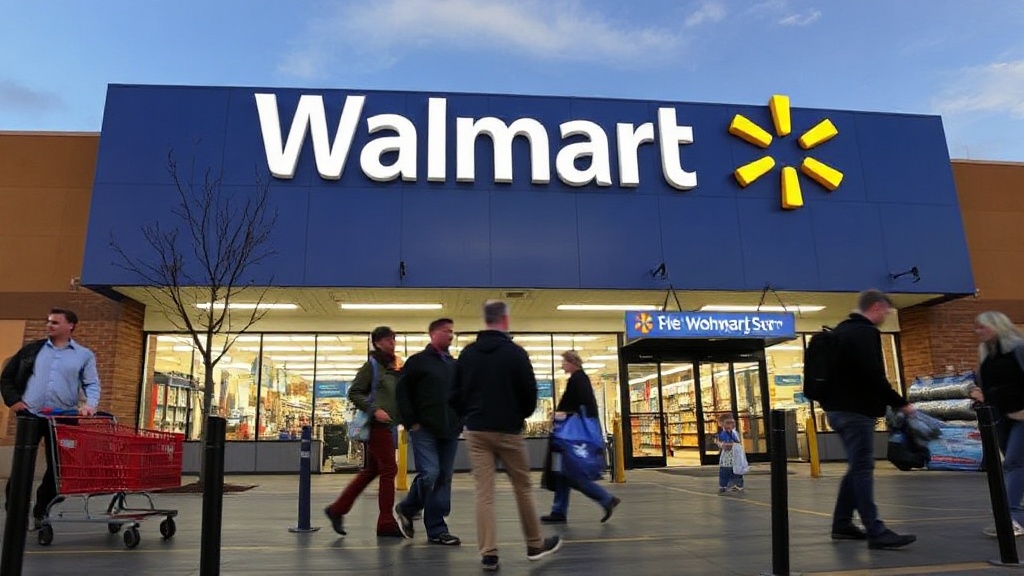
“That’s an indication of stress,” stated Walmart’s CFO, highlighting the firm’s perspective on the current state of consumer financial health.
As Wall Street and economic observers track the impact of global events and domestic price levels, Walmart’s observations serve as a real-time pulse check on how inflation is reshaping the fundamental habits of the American public.