




The Hidden Financial Realities of Renting
For many Americans, the dream of homeownership is often weighed against the immediate reality of high monthly rent payments. With current rental costs reaching $4,000 per month in many urban markets, tenants frequently wonder if they are effectively throwing away money that could be building equity in a home. However, the path to purchasing a $750,000 property requires more than just redirecting rent money; it involves navigating a complex web of upfront costs and long-term financial planning.
Breaking Down the Costs of Transitioning
When considering moving from a rental lifestyle to homeownership, prospective buyers often underestimate the incidental expenses that accompany a transition. While a monthly rent payment is predictable, the process of moving and settling into a new home involves several significant out-of-pocket costs:
- Moving Expenses: Professional movers, truck rentals, and logistics often add up to thousands of dollars.
- Security Deposits: Renters often tie up capital in security deposits that are not immediately recoverable when moving out.
- Furnishing and Setup: Transitioning between living spaces often requires buying new furniture or adapting existing pieces to fit a different floor plan, creating a recurring cost that renters often overlook.
Is Renting Truly a Barrier to Ownership?
While paying $4,000 in rent feels like a significant financial burden, experts suggest that renters must evaluate their total cost of living. If a renter chooses to stay put, they may save on the transactional costs associated with moving frequently. However, to afford a $750,000 home, one must account for a substantial down payment, closing costs, and the ongoing maintenance expenses that come with property ownership.
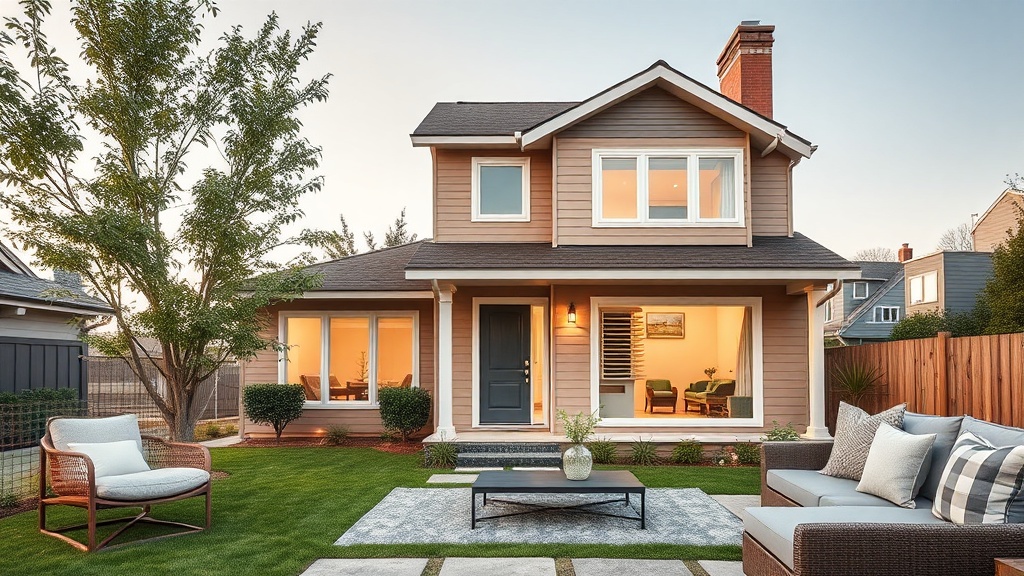
“You have to pay for movers, security deposits, and let’s not forget buying furniture for each apartment.”
Ultimately, the timeline to afford a home depends on a household’s ability to balance their current lifestyle costs with a disciplined savings strategy. While high rent can indeed slow down the accumulation of a down payment, the stability of staying in one place can sometimes provide the necessary breathing room to focus on aggressive savings goals. Potential buyers are encouraged to calculate not just their monthly rent, but also the hidden costs of their current housing situation to see if they are truly maximizing their savings potential.