


Shifting Trends in Crude Oil Shipping
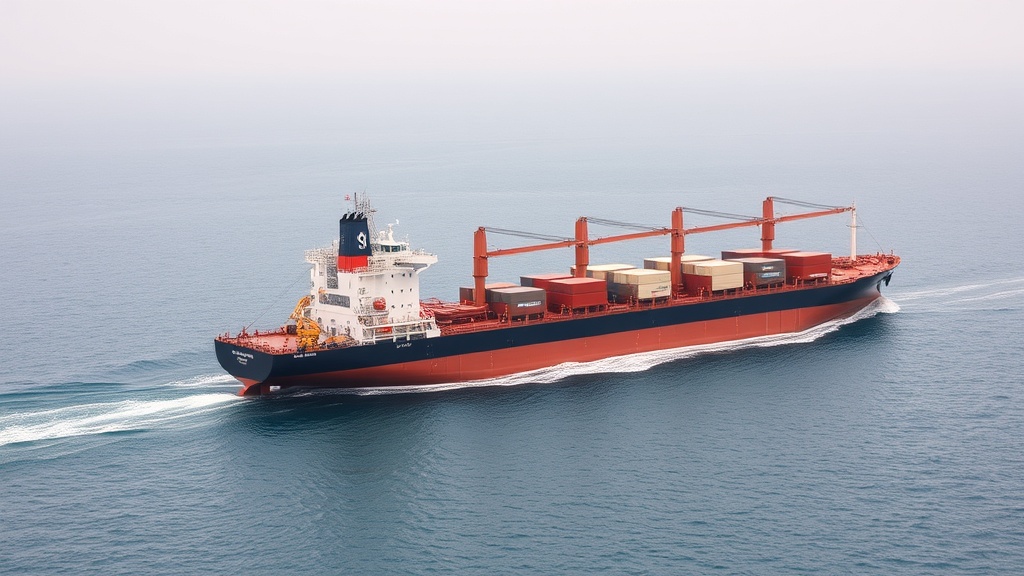
The global energy sector is witnessing a significant transformation in how crude oil is transported from the Middle East. For decades, massive oil tankers have served as the backbone of international energy flows, navigating the critical Strait of Hormuz to deliver supplies to global markets. However, recent developments suggest that many of these heavy-duty vessels may not return to their traditional routes once they complete their current journeys.
The Strategic Pivot
Industry analysts have noted growing doubt regarding the future of these massive tankers in the region. As geopolitical tensions and logistical complexities persist, the reliance on these gargantuan ships for Middle Eastern crude shipments appears to be facing a structural decline. Factors influencing this trend include:
- Logistical Efficiency: Shippers are increasingly re-evaluating the costs and risks associated with navigating the Strait of Hormuz.
- Shifting Trade Patterns: Changes in global demand and the rise of alternative supply sources are altering traditional shipping routes.
- Fleet Modernization: The maritime industry is undergoing a transition toward different vessel specifications that may not align with the historical dominance of the ultra-large tanker class in this specific corridor.
The reliance on massive tankers as the primary vehicle for crude transport is being challenged by new economic realities and evolving trade logistics.
What This Means for Global Markets
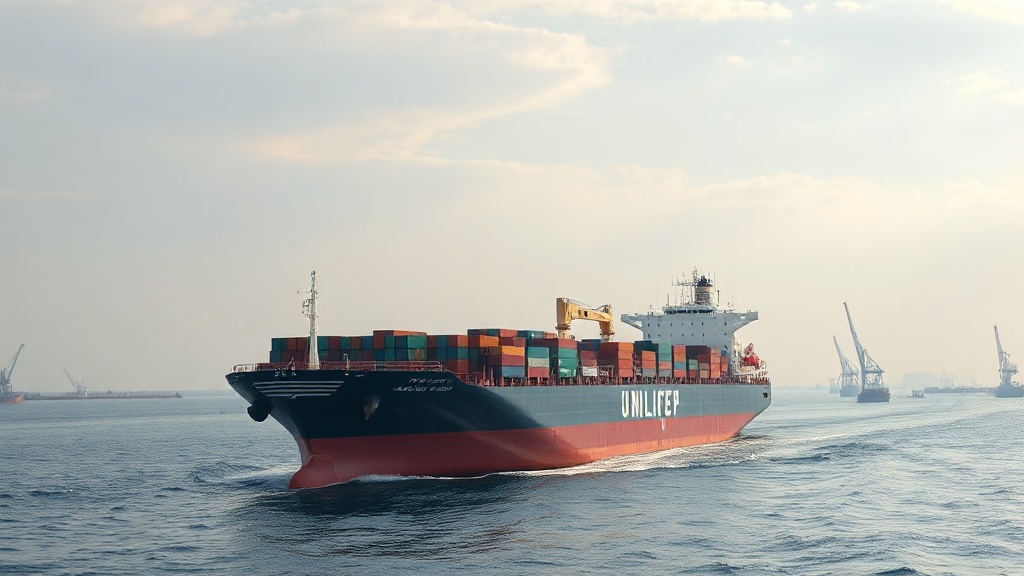
The potential exodus of these vessels from the Strait of Hormuz signals a broader shift in the energy supply chain. While these ships were once the undisputed standard for moving oil at scale, their reduced presence could lead to a more fragmented approach to crude distribution. Market participants are closely watching these developments, as the long-term impact on shipping rates, insurance premiums, and overall energy security remains a critical point of concern for stakeholders worldwide.
As the industry adapts, the focus is shifting toward how effectively global markets can maintain steady oil flows without relying on the same volume of massive tankers that defined the shipping landscape for so many years.