




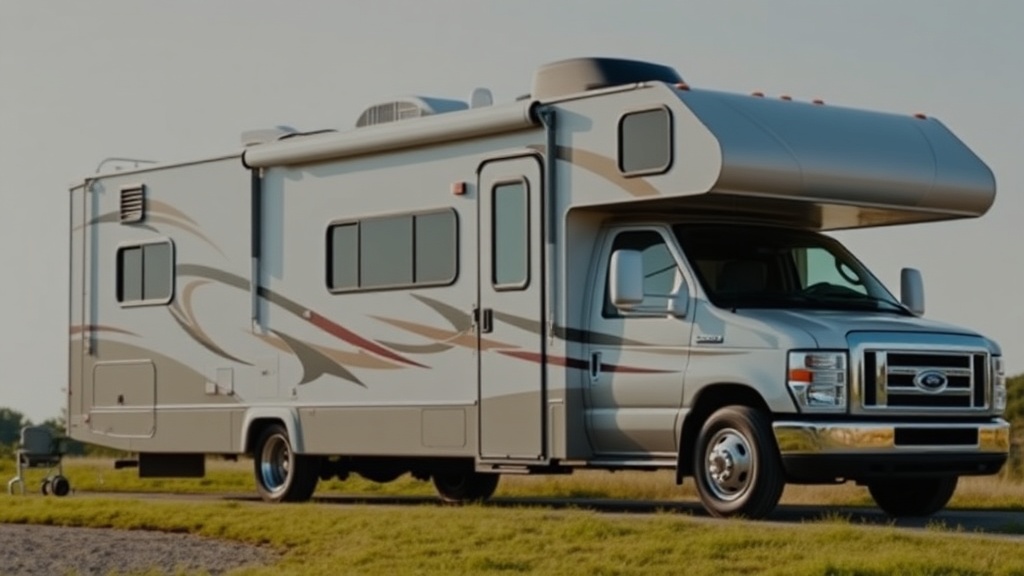
For many taxpayers, the mortgage interest deduction is associated exclusively with traditional residential real estate. However, the Internal Revenue Service (IRS) maintains a broader definition of a “qualified home” that includes recreational vehicles (RVs), provided specific criteria are met. Under Internal Revenue Code Section 163(h)(4)(A)(i), an RV can qualify as a taxpayer’s second home, potentially allowing for the deduction of loan interest on Schedule A of a federal tax return.
Defining Qualified Property
According to IRS Publication 936, a qualified residence is defined by its utility rather than its structural foundation. To qualify, an RV must be equipped with three essential facilities:
- Sleeping quarters
- Cooking facilities
- A toilet
This classification applies to a wide range of mobile residences, including Class A motorhomes, travel trailers, fifth wheels, camper vans, and houseboats. The IRS has consistently affirmed that vehicles meeting these three specific requirements fall under the definition of a qualified home.
Strict Requirements for Deductibility
While the designation may apply to many vehicles, the actual ability to claim the deduction is subject to stringent requirements:
- Secured Debt: The loan must be secured by the RV itself. If the lender cannot legally repossess the vehicle in the event of default—such as with an unsecured personal loan or a credit card—the interest is not deductible.
- Itemization: Taxpayers must itemize their deductions on their tax return. If the total of itemized deductions does not exceed the standard deduction, claiming the mortgage interest provides no tax benefit.
- Second Home Designation: The IRS allows the deduction for a primary residence and one additional “second home.” If a taxpayer already claims a vacation cabin or another property as their second home, the RV cannot be designated as such for that tax year.
- Debt Limits: For loans originated after December 15, 2017, the total acquisition debt for a primary and second home combined is subject to a $750,000 cap.
Practical Considerations for Owners
Many RV owners fail to claim this deduction because lenders often do not issue a Form 1098, which is the standard document used to report mortgage interest. If a lender does not automatically provide this form, taxpayers may need to request a year-end interest summary. If the interest is not reported on a Form 1098, it can still be claimed by entering the amount on the specific line for home mortgage interest not reported on Form 1098, provided the lender’s name and address are included.
Furthermore, the RV cannot be used strictly for rental purposes. To qualify as a residence, personal use must exceed the greater of 14 days or 10% of the total days the RV is rented out during the year. Given the complexity of tax law and the potential for shifts in interest rates, owners are encouraged to conduct a thorough analysis of their specific tax situation before attempting to claim the deduction, ensuring that the financial benefit outweighs the administrative effort of itemizing.