



China Targets Global Manufacturing Leadership Through Robotics
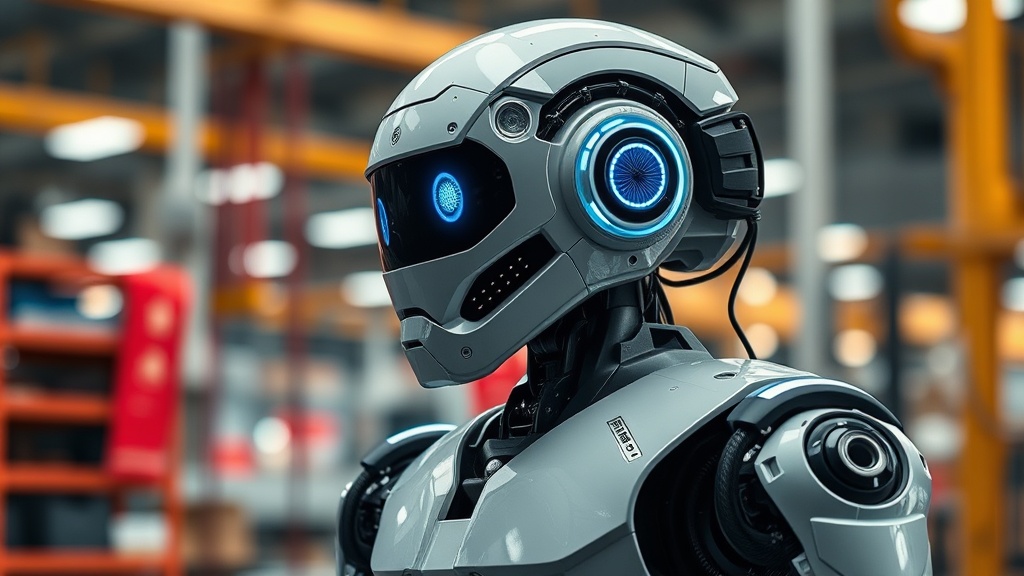
As the global manufacturing landscape faces shifting geopolitical and economic pressures, China is doubling down on a transformative strategy: the mass production of humanoid robots. By integrating advanced robotics into its industrial base, Beijing aims to drastically reduce labor costs and maintain its status as the world’s leading factory floor, potentially triggering a new wave of export competition.
The Economics of Humanoid Integration
The core objective of this initiative is to leverage humanoid technology to enhance efficiency and maintain competitive pricing. By replacing human labor with machines that can perform complex, repetitive tasks, Chinese firms are looking to mitigate the challenges of a shrinking working-age population and rising domestic wages. Industry analysts suggest that the cost-effectiveness of these machines could soon rival or even fall below the price of a used vehicle, making widespread adoption financially viable for large-scale manufacturers.
Why Humanoid Robots Matter for Export Markets
The push toward automation is not just about domestic efficiency; it is a calculated move to secure a dominant position in the global supply chain. Key implications of this strategy include:
- Scalability: Humanoid robots are designed to work within existing infrastructure originally built for humans, reducing the need for costly factory redesigns.
- Cost Reduction: By streamlining production and lowering reliance on human labor, manufacturers can lower unit costs, putting downward pressure on global prices.
- Technological Autonomy: Continued investment in robotics reinforces China’s push toward self-reliance in high-end manufacturing and artificial intelligence.
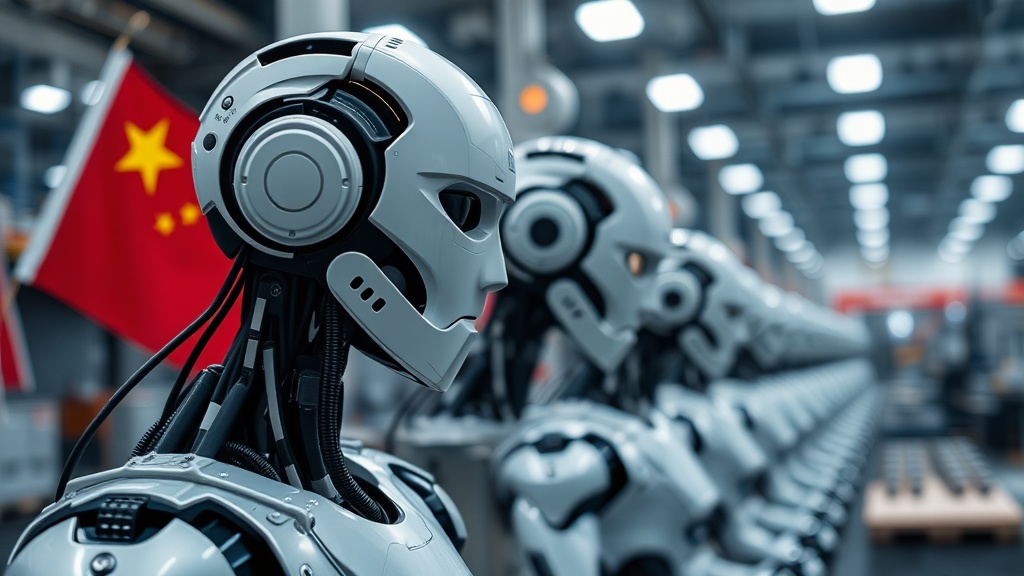
“The integration of humanoid robots represents a fundamental shift in how China approaches the manufacturing value chain, aiming to sustain its export dominance through technological superiority rather than just raw volume,” industry observers note.
The Road Ahead
While the transition to a more automated workforce presents challenges—including significant R&D requirements and the need for sophisticated software integration—the scale of the state-backed support suggests that China is committed to this vision for the long term. As these robots begin to appear on factory floors, the global market may soon experience a new type of ‘export shock,’ where the efficiency of machines dictates the competitiveness of consumer and industrial goods worldwide.
For global competitors, the rise of affordable, capable humanoid workers from China signals a need to accelerate their own automation efforts or rethink their manufacturing strategies in an era where robots are becoming as commonplace as traditional machinery.