




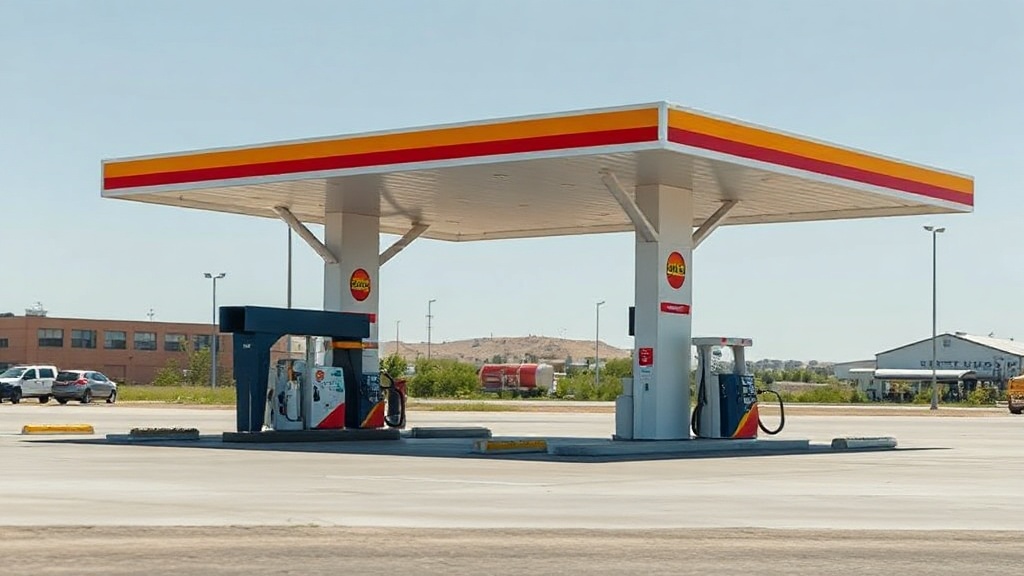
Australia’s domestic fuel prices have undergone a significant reversal, with petrol costs now dipping below pre-conflict levels despite the ongoing geopolitical tensions in the Middle East. This stabilization follows a period of high volatility triggered by the closure of the Strait of Hormuz during the US-Israel war on Iran, which analysts initially feared would cripple global energy supply chains.
Market Flexibility and Supply Diversification
Data from UBS suggests that while the closure of the Strait of Hormuz removed approximately 20.5 million barrels of oil and products per day from global markets, supply chains proved remarkably resilient. Flexibility among non-Middle Eastern suppliers, the strategic release of stockpiles, and a sharp reduction in Chinese imports helped mitigate the shortfall, which narrowed to roughly 7 million barrels per day by May.
Australia’s ability to maintain a steady fuel supply relied on a strategic pivot in trade routes. Government data indicates that while traditional suppliers in Singapore and Japan reduced exports, Australian importers successfully sourced alternative volumes from the United States, South Korea, and Malaysia. To support this, the federal government authorized the release of 20% of onshore reserve stocks and utilized a $7.5 billion funding facility through Export Finance Australia to underwrite private sector fuel procurement.
Understanding the Price Decline
Retail petrol prices, which spiked to approximately 260 cents a litre in March, have retreated to below 170 cents a litre. Dr. Lurion De Mello, an energy market expert at Macquarie University, attributes this decline to a surplus of local inventory, noting that the country successfully secured more fuel than it consumed during the peak of the crisis.
However, the price landscape remains nuanced:
- Diesel Disparity: Unlike petrol, diesel prices remain elevated at roughly 200 cents a litre, reflecting a tighter supply-demand balance for the fuel.
- Tax Impact: A 32-cent-per-litre reduction in fuel excise has contributed to lower pump prices. With this measure scheduled to expire on June 30, the government is currently evaluating a potential extension.
Is the Crisis Over?
While current prices reflect an uneasy peace deal and increased market efficiency, industry analysts remain cautious. Firms such as Energy Aspects and executives at major oil producers have cautioned that the broader energy crisis may persist. Key risks include:
- Infrastructure and Security: Even with a peace deal, the restoration of normal shipping flows depends on clearing maritime mines and securing insurance coverage for tankers.
- Inventory Levels: US crude stockpiles are currently at their lowest level in over 40 years, according to the Energy Information Administration.
- Refining Constraints: Potential damage to refining infrastructure during the conflict may continue to disrupt the supply of specialized derivatives, such as engine lubricants, for several months.
As global oil demand contracts—partly due to previous price shocks—the market remains in a state of adjustment. While the immediate threat of a domestic fuel shortage in Australia has receded, the path toward long-term price stability remains linked to the restoration of secure shipping lanes and the replenishment of global reserves.