


Liquidation Ends Brief Ownership Period Under Pappas Restaurant Group
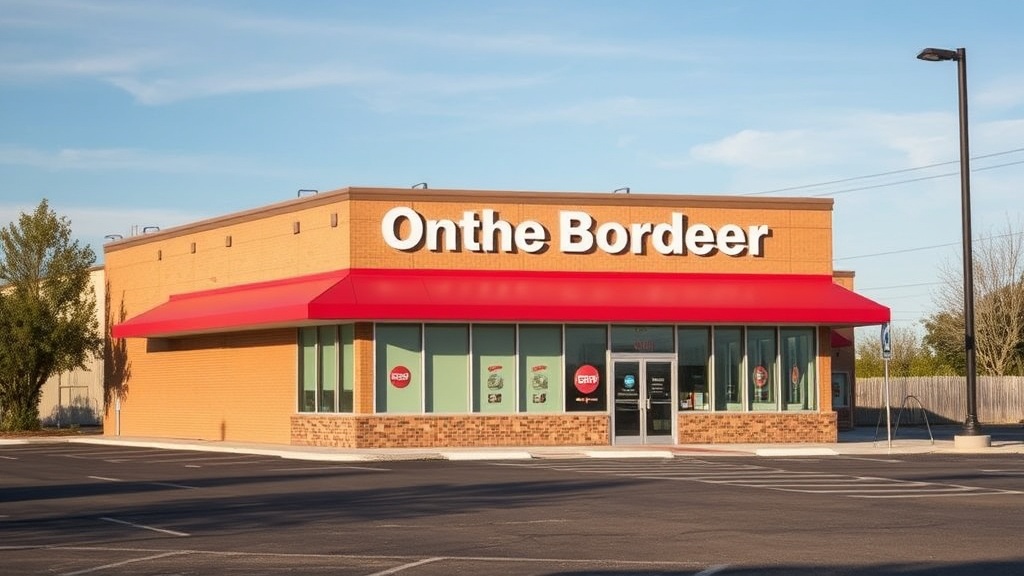
On the Border Mexican Grill & Cantina has formally moved to liquidate its remaining operations, filing for Chapter 7 bankruptcy on June 19, 2026. The move follows the abrupt closure of all company-owned locations on June 11, marking a definitive end to the brand’s recent restructuring efforts.
The filing was initiated by OTB Hospitality, an operating subsidiary of the Pappas Restaurant Group. Pappas had acquired the struggling chain in May 2026 following a previous Chapter 11 bankruptcy filing in March 2026. Despite a brief attempt by the new ownership to revitalize the brand through menu overhauls and operational adjustments, the company determined that the financial requirements to stabilize the business were unsustainable.
“This was an incredibly difficult decision,” said Chris Pappas, spokesperson for OTB Hospitality. “Our teams worked hard over the past year to stabilize the business, but it became clear that OTB would require substantial ongoing investment that would pull focus and resources away from the core operations that define who we are.”
Scope of the Bankruptcy
The Chapter 7 filing applies exclusively to OTB Hospitality. Pappas Restaurants, the parent entity, remains unaffected by the liquidation and continues to operate its other core brands with reported financial stability. Furthermore, the bankruptcy filing does not impact independently owned franchise locations. These franchised restaurants in states including South Dakota, Florida, Nevada, and California, as well as locations in South Korea, are expected to continue operations.
Long-Term Financial Headwinds
The collapse of the company-owned chain is the culmination of years of financial strain. According to court documents from the earlier Chapter 11 proceedings, the company faced significant liquidity pressure due to lease obligations for underperforming locations. In 2024 alone, the company reported spending approximately $25.3 million on lease obligations, with nearly $11.9 million tied to non-operational or underperforming sites.
The brand’s challenges were multifaceted, with management citing several macroeconomic factors that contributed to their decline:
- Restaurant Inflation: Rising menu prices, which outpaced grocery costs, led to reduced consumer dining frequency.
- Operational Costs: Increases in state minimum wages pressured margins.
- Labor Challenges: The chain struggled with the recruitment and retention of staff.
Industry data indicates that the decline was not a sudden event. According to reporting from the Restaurant Association, the brand had experienced persistent sales declines dating back to 2008. By the time of the final closures, the brand had seen its sales drop nearly 33% and its total unit count reduced by 42% over the period.
While the assets of the liquidated company are now subject to the bankruptcy process, the possibility remains that a new buyer could acquire the brand name and intellectual property for future use. For now, the liquidation marks the final chapter for the corporate-owned portion of what was once a prominent player in the Mexican casual-dining sector.