


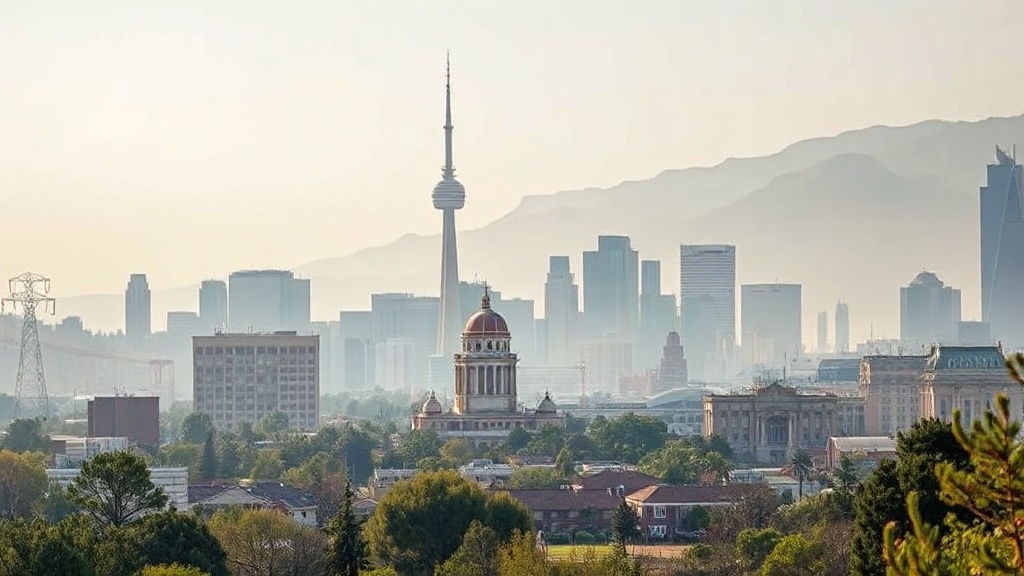
Major metropolitan areas across the United States, including Chicago, Detroit, Minneapolis, and New York City, have faced significant air quality challenges this week as wildfire smoke blanketed these regions. The presence of dense particulate matter has triggered health warnings and prompted a re-evaluation of the economic and social implications of sustained poor air quality.
Economic and Health Implications
The current environmental conditions, characterized by high concentrations of fine particulate matter, present a multi-faceted challenge. From a public health perspective, experts are increasingly identifying these recurring air quality events as a growing cardiovascular threat. As reported by MarketWatch, the accumulation of smoke in major population centers affects millions of residents and disrupts daily operational activities in impacted cities.
Operational Disruptions
While the immediate focus remains on public health and safety protocols, sustained poor air quality events often lead to measurable impacts on local economies:
- Workforce Productivity: Increased health risks can lead to higher rates of absenteeism and reduced outdoor operations for logistics, construction, and service-sector businesses.
- Consumer Behavior: Prolonged warnings often result in shifts in consumer spending, with a noticeable decline in outdoor-dependent retail and hospitality activity.
- Healthcare Utilization: Local healthcare systems frequently experience spikes in patient volume related to respiratory and cardiovascular complications, placing additional strain on municipal resources.
The situation highlights the increasing intersection between environmental volatility and urban economic stability. As cities continue to navigate these climate-related events, businesses and policymakers are tasked with developing more robust continuity plans to mitigate the impact of environmental hazards on the broader economy.