



Renewed Geopolitical Tensions and Inflation Concerns Drive Currency Strength
Market sentiment regarding the U.S. dollar has reached its most bullish level in a decade, as investors recalibrate their expectations for the currency in response to shifting global dynamics. According to recent market analysis, the current momentum behind the dollar is increasingly tied to energy market volatility and the subsequent implications for macroeconomic policy.
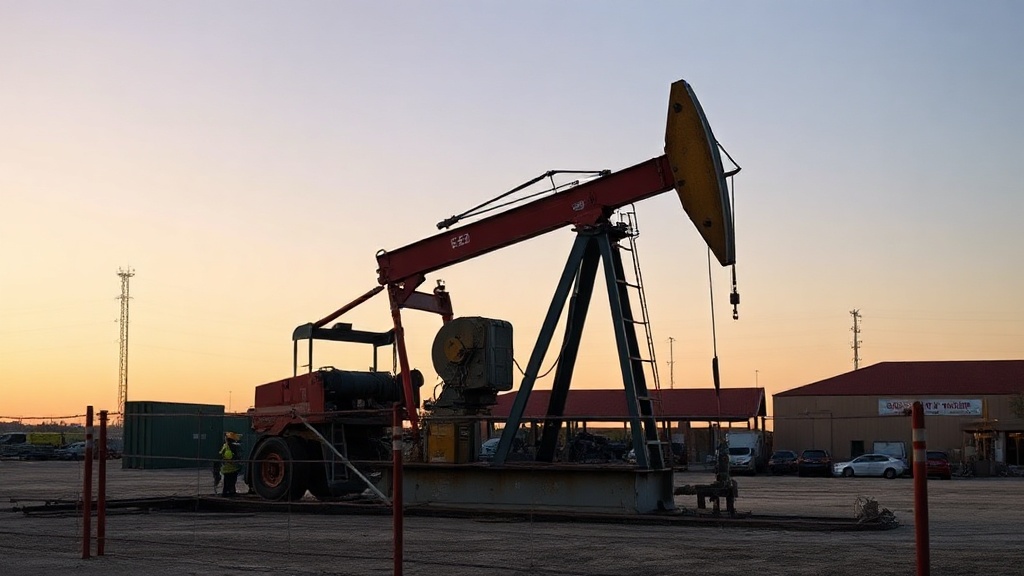
The recent uptick in oil prices—sparked by renewed tensions in the Middle East—has served as a primary catalyst for this shift. For many market participants, the potential for sustained energy cost increases introduces a fresh layer of complexity to the inflation outlook. If these price pressures prove durable, they could fundamentally alter the trajectory of the Federal Reserve’s interest rate policy.
Macroeconomic Implications of Energy Price Volatility
The core of the current dollar rally rests on the belief that a return of inflationary pressure may force the Federal Reserve to maintain a restrictive monetary policy stance for longer than previously anticipated. When inflation risks increase, the relative attractiveness of the dollar often grows, particularly as investors weigh the likelihood of interest rates remaining elevated.
- Energy Sensitivity: Crude oil price movements are acting as a bellwether for broader inflationary expectations.
- Policy Expectations: A “higher-for-longer” interest rate environment remains a central pillar of the bull case for the dollar.
- Investor Positioning: Market data suggests that current bullish sentiment toward the greenback is at its highest point in ten years, reflecting a significant consensus among traders.
The Path Forward for the Buck
While the current bullish posture is evident, the sustainability of this rally remains a subject of debate. The dollar’s path forward is intrinsically linked to how energy markets evolve in the coming weeks and whether the Federal Reserve adjusts its outlook in the face of persistent geopolitical risks. As highlighted in recent reporting from MarketWatch, the “crowded” nature of this trade means that any signs of cooling inflation or a shift in central bank rhetoric could lead to rapid re-positioning.
For now, the combination of geopolitical uncertainty and the prospect of tight monetary policy continues to support the dollar, keeping it at the center of investor focus in global currency markets.