


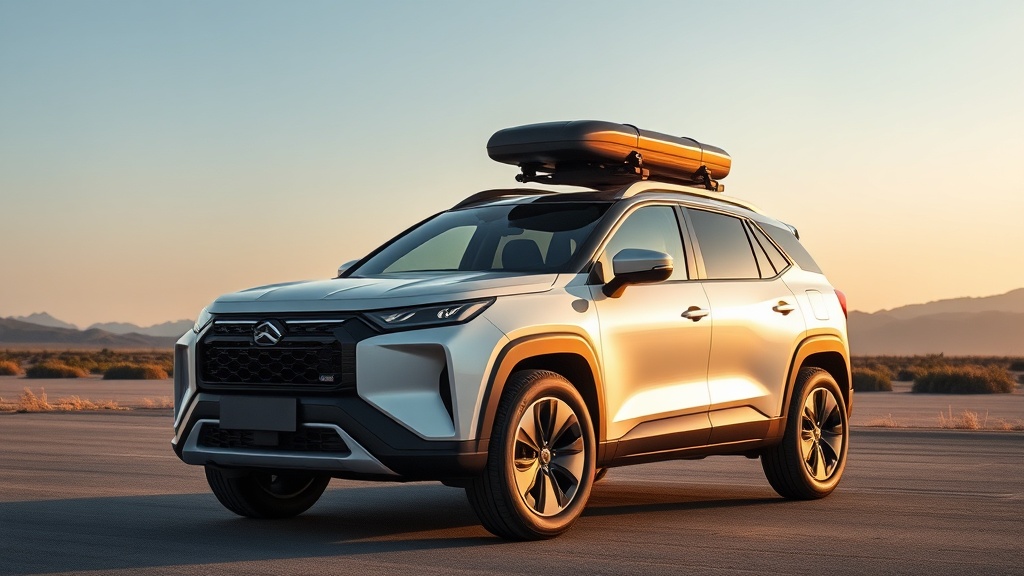
Strategic Pivot into the SUV Segment
Xiaomi has announced the introduction of its new ‘Sky Nomad’ SUV line, marking a significant evolution in the company’s automotive strategy. Branded as ‘Xiaomi Pengcheng’ in its domestic market, the new vehicle range represents a departure from the company’s existing focus on battery-driven saloons and crossovers. According to comments from CEO Lei Jun, the company is positioning these new models as ‘smart, versatile, and spacious,’ aiming to capture consumer interest in the growing SUV category.
The Sky Nomad line will utilize extended-range electric vehicle (EREV) technology. Unlike purely battery-electric vehicles, this configuration integrates a combustion engine specifically designed to recharge the battery system, effectively extending the vehicle’s driving range. This move places Xiaomi in direct competition with established players in the Chinese SUV market, such as Li Auto, which have popularized the extended-range format.
Market Context and Automotive Aspirations
Xiaomi’s entry into the automotive sector was driven by a need to diversify income streams as growth in its core smartphone and home appliance divisions faced headwinds. The company’s automotive arm has become a meaningful contributor to its overall turnover over the past two years, largely bolstered by the performance of the SU7 saloon and the YU7 crossover. These existing models are explicitly positioned to compete with Tesla’s Model 3 and Model Y.
However, the transition to vehicle manufacturing presents distinct financial challenges. Developing an automotive production ecosystem requires substantial capital investment and generally yields thinner profit margins compared to Xiaomi’s traditional electronics businesses. Despite these hurdles, the firm continues to scale its operations.
Future Outlook and Global Ambitions
While Xiaomi has successfully generated confirmed demand for its current fleet within China, it is currently navigating a softer domestic market environment. Unlike several of its Chinese peers that have already established international footprints, Xiaomi has yet to commence overseas shipments. The company has indicated that it plans to enter the European market in the coming year.
Beyond its organic expansion, the company’s automotive ambitions have garnered international attention. Earlier this year, reports emerged suggesting that Ford had held early-stage discussions with Xiaomi regarding potential production tie-ups or the formation of a joint venture to manufacture electric vehicles within the United States. As Xiaomi continues to refine its ‘moving space’ philosophy—viewing the car as an extension of the home environment—its ability to balance the high costs of production with its aggressive growth targets will remain a key focus for investors and industry analysts alike.