



Overview of Toms Group’s Strategic Position in the Global Confectionery Market
Despite recent geopolitical and economic uncertainties, Toms Group, a leading Danish confectionery manufacturer, remains optimistic about its growth prospects. The company, which traces its roots back to 1884, is committed to maintaining its market share and expanding its international footprint, even as it navigates volatile raw material costs and evolving consumer preferences.
Financial Performance and Growth Ambitions
In the previous year, Toms Group reported a 7% increase in sales, reaching approximately DKr1.80 billion (around $283 million), with a net profit of DKr41 million. The company aims to achieve low, single-digit sales growth in 2024, despite ongoing global tensions that threaten to impact supply chains and input costs.
Global Footprint and Market Position
While over 60% of its revenue comes from the Nordic region, Toms Group actively pursues international expansion. It operates in more than 100 countries, leveraging distributors and travel retail channels. Key markets include:
- United States: Significant presence through Costco and other retail outlets.
- Europe: Notably France, the UK, and eastern European countries like Poland, where the company sees substantial growth opportunities.
- Asia-Pacific: Smaller but targeted markets such as China and Japan, primarily for gifting and seasonal products like Christmas chocolates and Chinese New Year offerings.
Product Portfolio and Consumer Trends
Toms Group’s product range includes chocolate, sugar, and liquorice confectionery. The company holds an 18% market share in Denmark, making it a dominant player, with notable brands such as Anthon Berg and Ferrari in Sweden, where it commands a 40% share in the Easter confectionery sector.
In recent years, traditional liquorice has experienced a resurgence in certain markets like Denmark, northern Germany, Poland, and the Netherlands. Toms is capitalizing on this trend by reintroducing vintage brands such as Pingvin, appealing especially to younger consumers. The company’s liquorice products are known for their polarizing flavor—beloved by many, yet disliked by others—making them a distinctive segment within confectionery.
Adapting to Consumer Preferences and Health Trends
The rising demand for healthier snacks and functional foods is impacting the confectionery sector. Toms Group observes that consumer interest in products with added health benefits—such as higher protein content, reduced sugar, and digestive health advantages—continues to grow, particularly in Denmark and Sweden.
Regarding the emerging GLP-1 (glucagon-like peptide-1) trend, which involves weight management and appetite control through medication, Toms acknowledges the need to monitor its influence on consumer behavior. While immediate reformulation plans are not in place, the company recognizes that indulgence remains important, and future product development may include flavor and texture innovations that align with health-conscious trends.
Market Dynamics and Raw Material Challenges
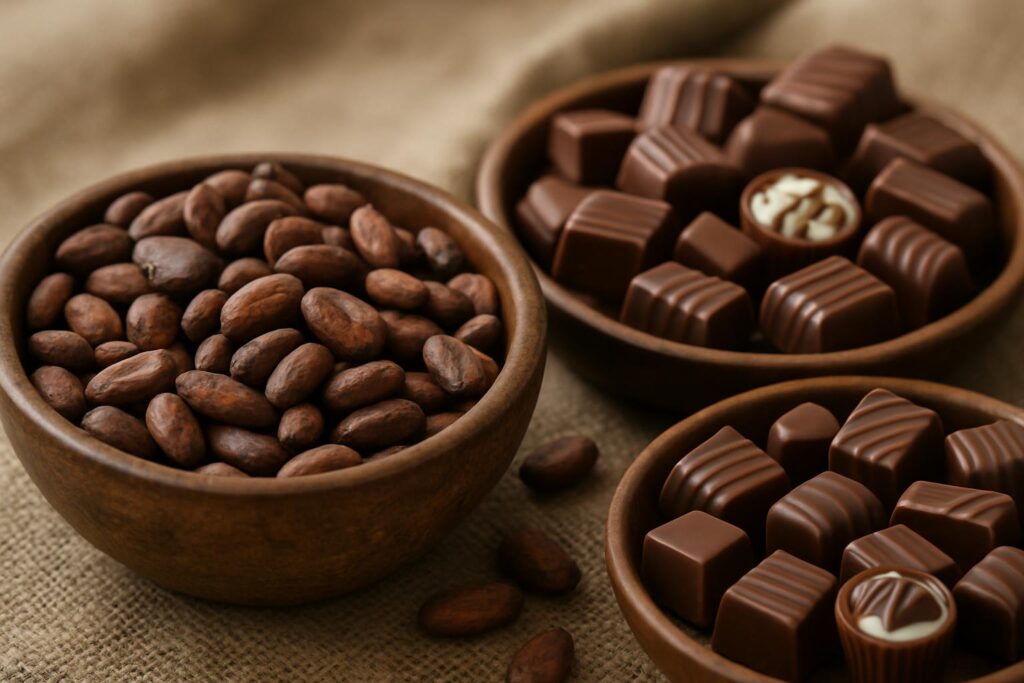
One of the critical challenges Toms faces is the volatility of cocoa prices. Although prices have declined from record highs, they still remain elevated due to factors such as aging farming stock, climate change, and geopolitical tensions affecting supply—especially the impacts of weather incidents and disease in cocoa-producing regions.
Currently, Toms is not planning to pass on cocoa price increases to consumers but is instead absorbing inflationary pressures driven by higher energy costs, packaging materials, and transportation expenses. The company anticipates continued price volatility and expects to see more fluctuations akin to the energy crisis aftermath of 2022-2023.
Manufacturing Strategy and Future Investments
In response to high maintenance costs at its older Ballerup factory in Denmark, Toms is shifting production to its modern facility in Poland, which was established in 2019. This move aims to improve profitability, streamline operations, and reduce costs by leveraging Poland’s lower manufacturing expenses.
The Polish factory is set to become the primary site for chocolate production, replacing the older Danish facility. This strategic shift allows Toms to optimize its manufacturing footprint and focus investments on growth in key European markets.
Market Expansion and Growth Opportunities
While Toms Group is not actively entering new markets, it is intensifying efforts within existing regions, particularly within the European Union. The company sees strong potential in Germany and Poland, with recent growth figures of 40% in Poland alone, indicating significant white space for expansion.
In Germany, the company operates brands such as Hachez and Feodora, and has partnered with robust distributors to boost its presence. The company aims to leverage these regional opportunities to further expand its product portfolio and market share.
Conclusion
As Toms Group navigates inflationary pressures, shifting consumer preferences, and raw material challenges, its strategic focus remains on innovation, operational efficiency, and selective market expansion. By modernizing manufacturing facilities and capitalizing on regional growth opportunities, Toms is positioned to sustain its legacy of confectionery excellence and adapt to a rapidly evolving global marketplace.