


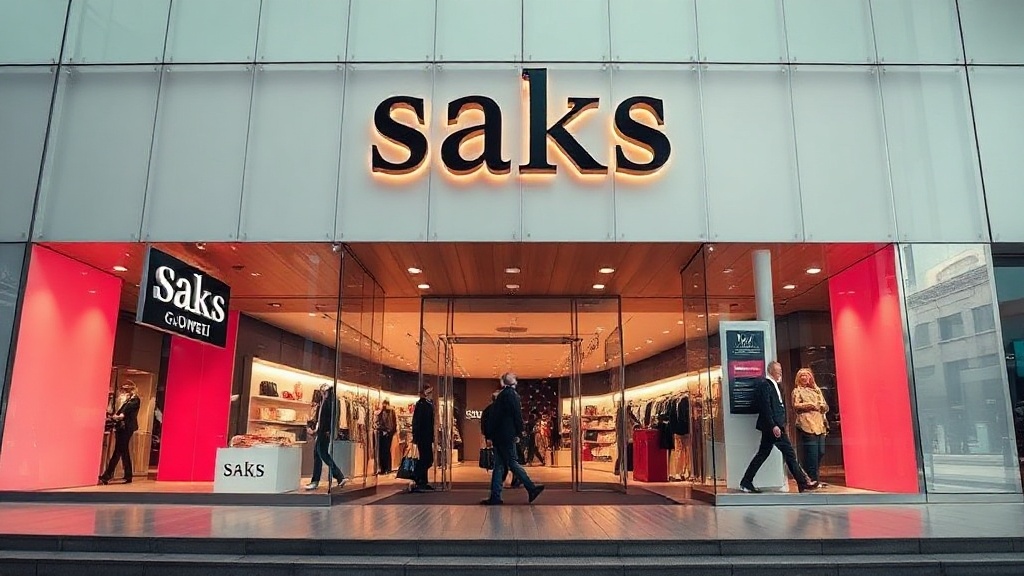
Saks Global, the parent company of iconic luxury retailers including Saks Fifth Avenue, Neiman Marcus, and Bergdorf Goodman, is set to emerge from Chapter 11 bankruptcy protection. U.S. Bankruptcy Judge Alfredo Perez approved the company’s Plan of Reorganization on June 5, marking a significant milestone for the retail entity after its January 14 filing.
Financial Restructuring and New Ownership
The court-approved plan addresses the company’s core financial instability by slashing its debt burden by approximately 75%, reducing the total to roughly $1.2 billion. As part of the restructuring process, existing equity has been wiped out, and control of the company is transitioning to its senior lenders. To support its future operations, the firm will receive $500 million in fresh financing, building upon a $1.75 billion bankruptcy financing package that previously secured an additional $300 million tranche.
A Slimmed-Down Operational Model
The version of Saks Global returning to the market is significantly leaner than the entity formed following the 2024 merger of its predecessor chains. The restructuring involved the closure of more than half of the Saks Fifth Avenue store locations and the abandonment of most off-price retail operations. The company will now focus on a refined physical footprint consisting of 49 total locations, including 33 Neiman Marcus stores and 15 Saks Fifth Avenue outlets, alongside Bergdorf Goodman.
CEO Geoffroy van Raemdonck stated that the broad support from capital and brand partners reflects confidence in the company’s future direction. However, the firm faces the complex challenge of rebuilding vendor relationships that were strained during the months of delayed payments preceding the bankruptcy filing.
Looking Toward 2030
Management has established ambitious targets for the post-bankruptcy era, aiming for $9 billion in total gross merchandise value (GMV) and double-digit adjusted EBITDA margins by fiscal year 2030. Achieving these goals will require navigating a shifting luxury landscape where many high-end brands are increasingly prioritizing direct-to-consumer channels over traditional department store partnerships.
While court approval provides the legal and financial framework for survival, the coming quarters will serve as a test for the company’s ability to retain exclusive inventory allocations and prove the continued relevance of the department store model in a luxury market that has increasingly favored brand-owned retail experiences.