
Surging Demand for Specialized AI Hardware
Micron Technology is experiencing a significant financial shift as the semiconductor manufacturer positions itself as a critical beneficiary of the ongoing artificial intelligence boom. According to recent market analysis, the company’s profitability trajectory is aligning it with the highest echelons of the U.S. corporate sector, trailing only industry leaders like Nvidia and Google in terms of profit growth potential.
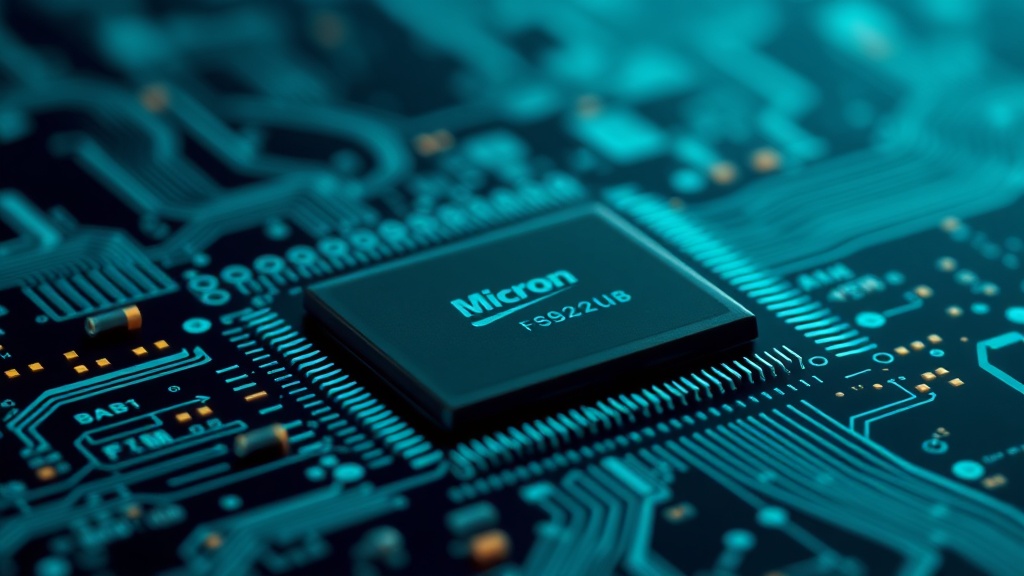
This dramatic turnaround in Micron’s financial health is largely attributed to the urgent need for advanced memory components required to power AI infrastructure. As Big Tech firms continue to invest heavily in the development and expansion of large-scale AI models, the demand for high-bandwidth memory (HBM) and other specialized storage solutions has reached unprecedented levels.
Market Dynamics and Industry Positioning
The semiconductor industry has historically been characterized by cyclical volatility, often tied to fluctuations in consumer electronics demand. However, the current shift toward AI-centric computing has introduced a new, sustained demand driver. Micron, a major player in the memory chip market, has capitalized on this transition by aligning its production capacity with the specific requirements of data center operators and AI hardware developers.
The willingness of major technology companies to pay premium prices for reliable, high-performance memory components has allowed Micron to improve its margins significantly. While the broader semiconductor market faces varying degrees of demand pressure, the specific niche of AI-related memory has remained a high-growth area.
Implications for the Semiconductor Sector
- Shift in Profitability: Micron’s improved financial outlook reflects the broader trend of AI-driven capital expenditure by major cloud service providers.
- Hardware Constraints: The race to integrate sophisticated AI capabilities is placing immense pressure on the supply chain for specialized memory, favoring established manufacturers with the scale to meet complex technical specifications.
- Investor Focus: Market analysts are closely monitoring these trends to determine the sustainability of these margins as production capacity scales to match current demand levels.
As the company continues to navigate this high-demand environment, its ability to maintain technical leadership in memory innovation will remain a central factor in its performance relative to other major U.S. technology and hardware companies.