


Strategic Expansion in South Carolina
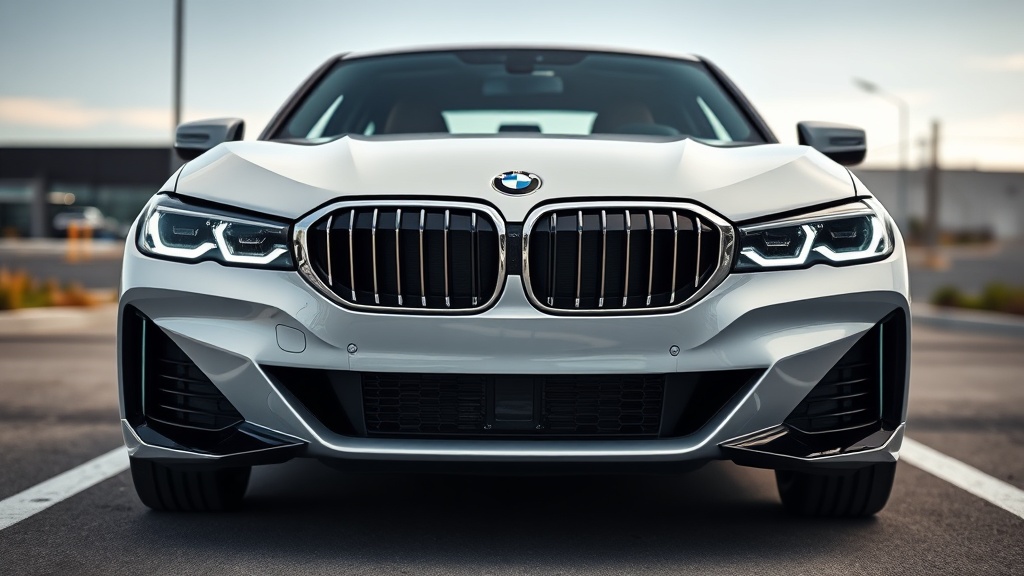
BMW has officially finalized a $1.7 billion investment aimed at bolstering its manufacturing footprint in South Carolina. The German automotive giant confirmed that the capital deployment covers the extensive expansion of its flagship Spartanburg facility and the completion of a new production plant in Woodruff. This move marks a significant shift in the company’s manufacturing strategy as it prepares to localize fully electric vehicle (EV) production within the United States.
The announcement underscores the importance of the South Carolina hub, which currently serves as a critical node in BMW’s global supply chain. The Spartanburg plant maintains a high export volume, with roughly half of its total output destined for international markets, including the European SUV sector.
Roadmap for U.S.-Made EVs
The facility upgrades are designed to support a transition toward electrification. According to the company, the first fully electric model to emerge from the U.S. production line will be the iX5 SUV, with assembly scheduled to commence in late 2026. Looking further ahead, BMW plans to integrate at least five additional electric models into its U.S. manufacturing rotation by 2030.
Commenting on the significance of the expansion, BMW Group Board Member for Production Milan Nedeljkovic stated, “The completion of our investments in Plant Spartanburg and Plant Woodruff demonstrates our confidence in the United States and reinforces South Carolina’s role at the center of BMW Group’s global operations.”
Macroeconomic and Trade Context
The investment arrives at a time of shifting trade dynamics. In mid-June, the European Parliament approved a reduction in duties on various U.S. goods imports, a policy shift that may influence the economic viability of transatlantic automotive trade. By localizing production, BMW is effectively hedging against potential volatility in international trade relations while positioning itself to meet the growing demand for electric vehicles in the North American market.
This capital expenditure represents a long-term commitment to U.S.-based manufacturing, ensuring that the company’s domestic operations remain competitive as the global automotive industry continues its pivot toward battery-electric platforms.