




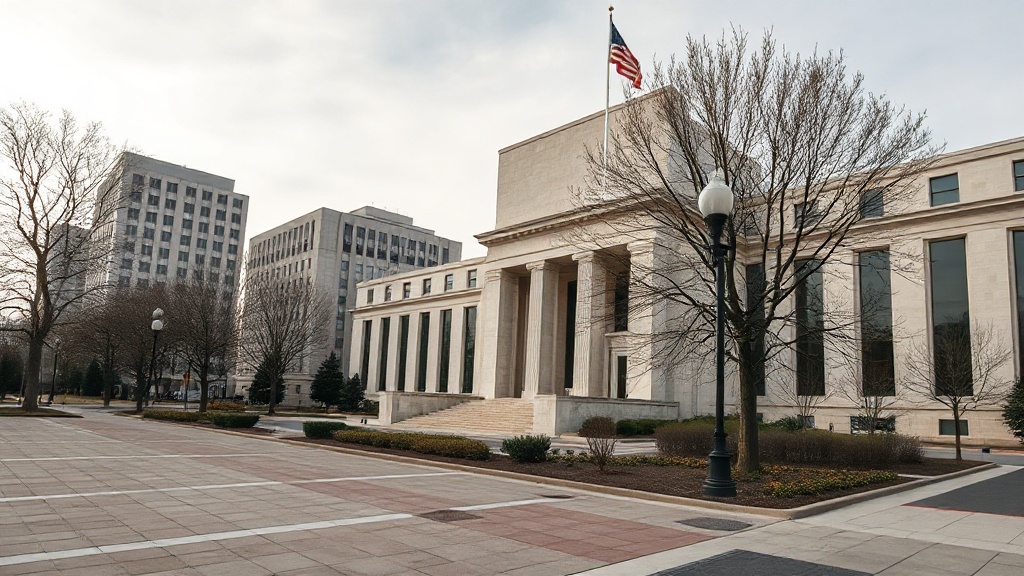
A Shift in Federal Reserve Communication
The landscape of Federal Reserve monitoring is undergoing a significant transformation, prompting market participants to reassess how they interpret policy signals and economic data. As Kevin Warsh emerges as a focal point in the current discourse surrounding the central bank’s direction, Wall Street analysts and investors are finding that traditional methods of ‘Fed watching’ may require recalibration to address new priorities and communication styles.
The shift represents a move away from legacy expectations toward a framework that demands more rigorous independent analysis. Instead of relying on conventional signals, market observers are increasingly turning to specific data benchmarks to gauge the trajectory of interest rates and monetary policy under evolving leadership dynamics.
Establishing New Analytical Benchmarks
To navigate this period, analysts suggest focusing on two primary areas of data that serve as reliable indicators in the current environment:
- Real Interest Rate Differentials: Monitoring the spread between nominal yields and inflation expectations remains critical. This provides a clearer picture of how restrictive or accommodative the policy environment truly is, independent of short-term volatility.
- Labor Market Elasticity Indicators: As the Federal Reserve balances its dual mandate, metrics concerning wage growth relative to productivity and overall labor slack are becoming more influential in shaping policy outcomes than headline employment numbers alone.
Implications for Market Strategy
The current era of central bank policy emphasizes a greater reliance on data-dependent decision-making, which places the burden of interpretation squarely on the shoulders of the market. By moving past the speculation that often surrounds leadership transitions, investors can focus on the underlying economic fundamentals that the Federal Reserve itself monitors.
As noted in recent market analysis, the ability to synthesize these benchmarks effectively is becoming a primary differentiator for institutional and retail investors alike. By focusing on the structural indicators rather than the noise of daily commentary, participants can better position their portfolios against potential shifts in interest rate policy. This approach underscores the necessity of maintaining a disciplined, fact-based view of the economic environment as the Federal Reserve continues to navigate complex macroeconomic challenges.