




Space Exploration Technologies (NASDAQ: SPCX) has marked a significant milestone in 2026, completing its initial public offering and seeing its share price climb substantially in the days following its debut. The company, which priced its IPO at $135 per share, opened at $150 and closed its first trading day at $160.95. By June 16, 2026, the stock reached $201.80, reflecting a market valuation of approximately $2.6 trillion.
Dominance in Launch Markets
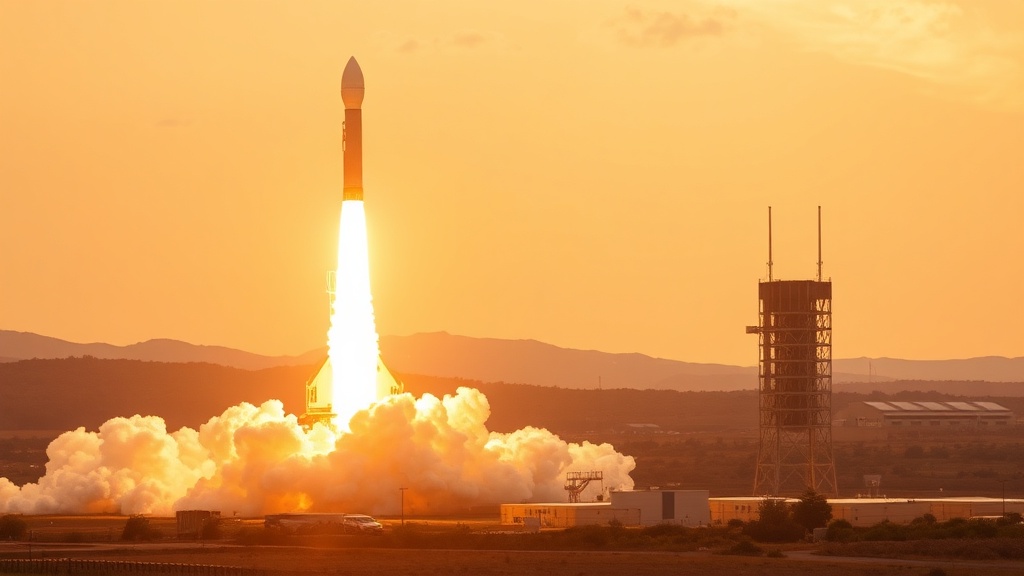
The company maintains a strong position in the aerospace sector, particularly in commercial rocket launches. Data from 2025 indicates that SpaceX completed 161 commercial launches, securing an 82% share of the U.S. commercial launch market. Furthermore, the company was responsible for transporting over 80% of the total satellite and spacecraft weight placed into orbit globally during that period.
This operational capacity serves a dual purpose. Beyond providing launch services to external clients, SpaceX utilizes its fleet to scale its satellite internet subsidiary, Starlink. By maintaining frequent launch schedules, the company aims to expand coverage and capacity for both government and commercial users, maintaining a competitive lead in reusable rocket technology and satellite infrastructure.
Financial Considerations and AI Expansion
As the company transitions to a publicly traded entity, attention has shifted toward its diversification into artificial intelligence. In 2025, SpaceX reported $3.2 billion in AI-related revenue, a 22.2% increase year-over-year. A significant development in this sector includes a major compute capacity agreement with Anthropic, valued at $1.25 billion per month, set to run through May 2029.
However, this aggressive expansion into AI infrastructure carries notable financial risks. While Starlink is currently profitable, the company’s AI division remains capital-intensive. Financial reports for 2025 highlighted significant outlays, including:
- Net loss: $4.9 billion
- AI operating losses: $6.4 billion
- AI capital expenditures: $12.7 billion
The company’s balance sheet also reflects substantial debt, including $29.1 billion reported at the end of the first quarter of 2026. This figure includes a $20 billion bridge loan slated for repayment by September 2, 2027, with provisions for a potential short-term extension.
Market Outlook
With a market capitalization of $2.6 trillion, investor sentiment is largely contingent on the company’s ability to execute its long-term strategy. The current valuation assumes sustained growth across the Starlink business and successful monetization of its AI infrastructure investments. As the company navigates the post-IPO period, analysts emphasize that future performance will depend on the ability to stabilize AI-related losses and maintain revenue per user within the Starlink segment.