




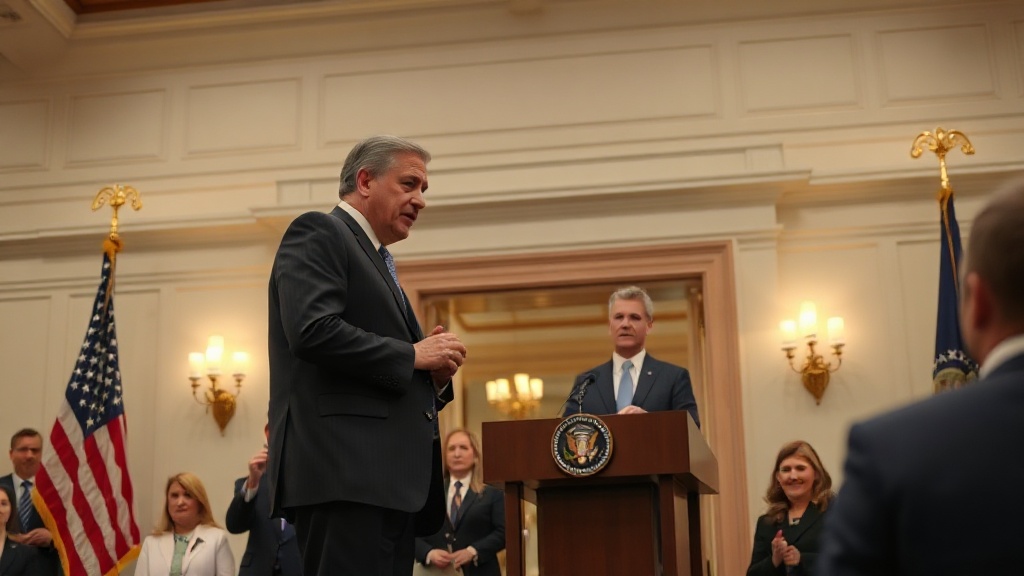
In his inaugural press conference as Federal Reserve Chair, Kevin Warsh signaled a methodical approach to monetary policy, repeatedly directing questions regarding complex economic issues toward the work of newly formed internal task forces. This strategic reliance on specialized internal committees suggests a potential shift in the Federal Reserve’s decision-making timeline, offering the central bank increased flexibility as it weighs future interest rate adjustments.
The Role of Internal Task Forces
Throughout the session, Warsh frequently deferred to the ongoing assessments of these task forces when addressing queries from the press. By emphasizing the necessity of thorough, evidence-based review before committing to significant policy pivots, the Chair appears to be prioritizing data-driven consensus over rapid reaction.
For market observers and economists, this approach implies that the Federal Reserve may be positioning itself to maintain current interest rate levels for a longer duration. By framing complex challenges as subjects of active study, the Fed creates the necessary analytical space to defer major changes, potentially pushing any significant policy shifts toward the December meeting.
Implications for Monetary Policy
The emphasis on task forces aligns with a broader institutional goal of reducing market volatility by ensuring that policy changes are backed by comprehensive internal analysis. This shift is notable for several reasons:
- Increased Deliberation: The reliance on task forces suggests that the Fed is looking to avoid premature policy moves that could be undermined by shifting economic data.
- Strategic Patience: By keeping the policy path open until the end of the year, the Fed maintains its ability to react to late-quarter economic indicators, including employment figures and inflation reports.
- Communication Strategy: The focus on formal study serves as a mechanism to manage market expectations, signaling that the central bank is not operating under an immediate deadline to alter the federal funds rate.
As the Federal Reserve navigates an uncertain macroeconomic environment, the effectiveness of this task-force-centric model will likely remain a central point of focus for investors and policy analysts alike. Whether this approach leads to a steady-state policy environment or serves as a precursor to more decisive action in December remains the primary question for the coming months.