



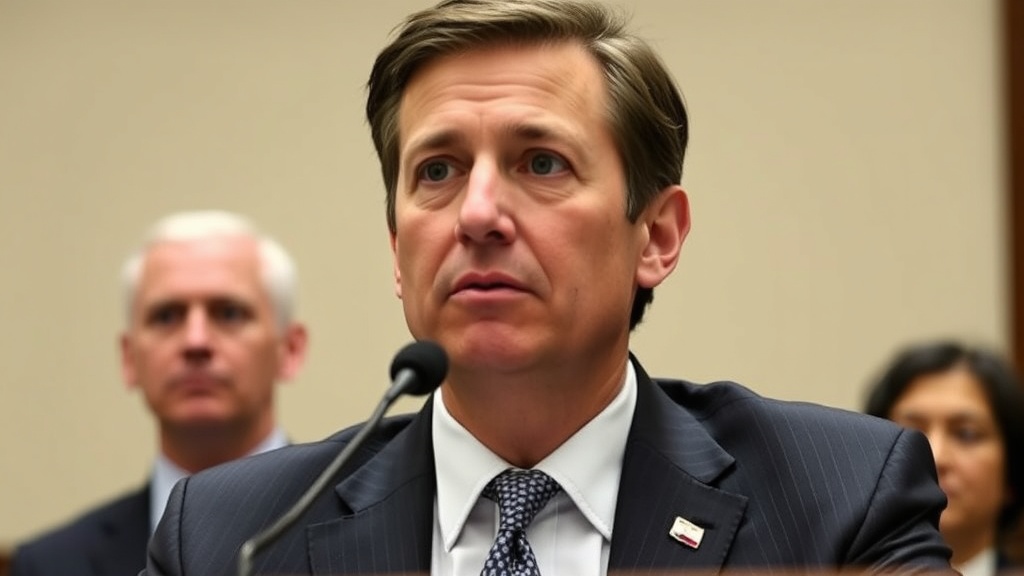
Federal Reserve Chair Kevin Warsh is set to appear before Congress this week, marking his first formal testimony in his new leadership role. The upcoming appearance is highly anticipated by lawmakers, who are expected to use the platform to press the central bank head for a detailed assessment of the current economic climate.
Legislative Focus and Economic Outlook
As the Federal Reserve navigates a complex macroeconomic environment, the testimony serves as a critical bridge between monetary policy and legislative oversight. Lawmakers from both chambers are likely to seek clarification on several key areas, including:
- Inflation Dynamics: Expectations surrounding the trajectory of consumer and producer prices.
- Interest Rate Path: Insights into the Federal Open Market Committee’s (FOMC) approach to future rate adjustments.
- Labor Market Conditions: Data-driven analysis on employment trends and wage growth.
- Economic Growth: Official projections regarding GDP expansion and potential risks to the broader financial system.
The testimony will provide the first opportunity for the public and market participants to hear directly from Chair Warsh regarding his specific policy priorities and his interpretation of recent economic data releases. Given the current volatility in various sectors, his commentary will be closely scrutinized for signals regarding the central bank’s commitment to its dual mandate of maximum employment and price stability.
Market Implications
For investors and business leaders, the Fed chair’s testimony is a primary event on the economic calendar. Markets typically react to the nuance in language used by the Fed chair during these sessions, particularly regarding the timing and magnitude of future policy shifts. As reported by MarketWatch, the session is expected to be intensive as legislators seek accountability and transparency in the Fed’s decision-making process.
Observers will be looking for any indications that the Federal Reserve may adjust its current stance in response to evolving macro pressures. As the session unfolds, the focus will remain on how the central bank balances the need to combat persistent inflationary pressures without unnecessarily stifling economic activity.