

Market Realities Meet New Fed Leadership
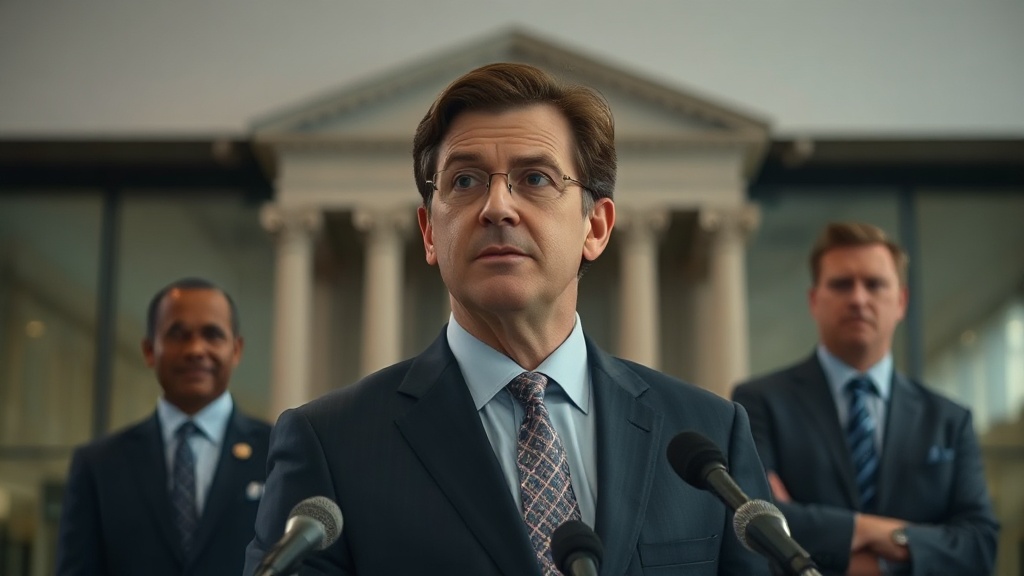
Kevin Warsh’s tenure as Chair of the Federal Reserve officially began on May 22, marked by a record high for the Dow Jones Industrial Average. However, despite initial hopes that his appointment would signal a shift toward lower interest rates, investors and analysts are increasingly acknowledging that a short-term pivot toward easing is unlikely. The current economic landscape, defined by rising inflation and geopolitical volatility, has forced a recalibration of market expectations.
The Challenge of Inflation and Geopolitics
The primary hurdle for the Federal Open Market Committee (FOMC) remains the persistence of inflationary pressures, exacerbated by the ongoing conflict involving Iran. This conflict has led to spikes in energy prices, complicating the Fed’s ability to lower borrowing costs. As long as these inflationary risks persist, the anticipated “regime change” in monetary policy may be delayed.
Market observers note that the central bank is currently dealing with a difficult balancing act:
- Lower Interest Rates: These support employment but risk fueling an inflationary spiral.
- Higher Interest Rates: These help cool prices but can weaken the job market and stifle economic activity.
Hawkish Signals from the FOMC
The minutes from the April FOMC meeting, released on May 20, revealed a shift toward a more hawkish stance among policymakers. With bond yields rising, investors are absorbing a new reality where the Fed may need to consider interest-rate hikes rather than cuts by the end of the year. The CME Group FedWatch Tool currently indicates a near 100% probability that the Fed will hold rates steady at the June 16-17 meeting, with a 43% chance of a rate hike by December.
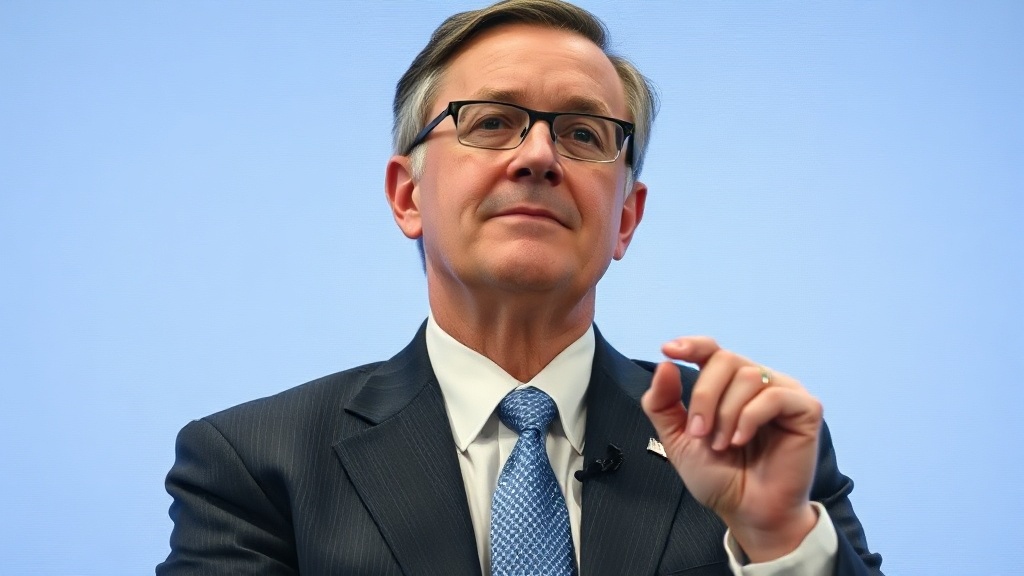
“The markets are absorbing the hawkish tones stemming from the central bank,” said Ben Fulton, CEO of WEBs Investments. “The bond market is definitely showing signs that higher yields are required for the new narrative from the Fed.”
Independence and Policy Direction
Despite being nominated by President Donald Trump—who had frequently criticized predecessor Jerome Powell for not slashing rates—Warsh has emphasized the importance of Fed independence. At his swearing-in ceremony, President Trump explicitly stated, “I want Kevin to be totally independent. Don’t look at me.”
Experts believe that while Warsh is a proponent of lower rates and structural reform, he is unlikely to compromise the central bank’s independence to satisfy short-term political agendas. John Luke Tyner of Aptus Capital Advisors noted that labeling Warsh as a political “point man” is a dangerous presumption. Instead, observers expect a data-driven approach that prioritizes economic stability over political pressure.
Ultimately, while Warsh brings a vision for a “reform-oriented Federal Reserve,” his immediate focus remains navigating the high-yield environment and addressing the inflationary pressures that continue to challenge the U.S. economy.