


The Rise of Wind Repowering
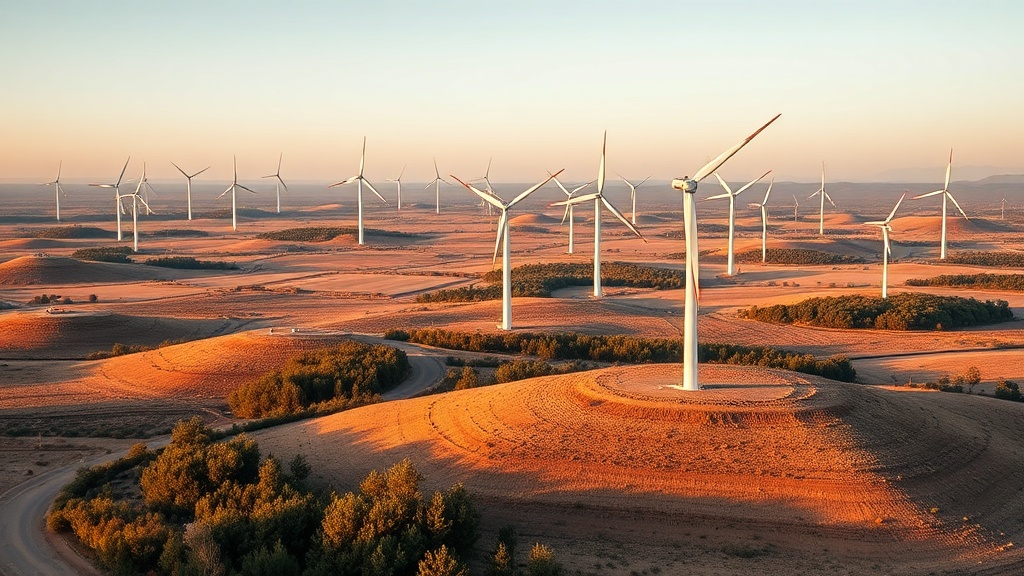
As the wind energy sector in the United States matures, a significant challenge has emerged: thousands of turbines, installed over the past two decades, are nearing the end of their operational lifecycles. With more than 75,000 turbines currently operating across 45 states, the industry is entering an era where maintenance and modernization are essential. Wind repowering—the process of upgrading existing wind farms with modern, high-efficiency technology—has become a cornerstone strategy for meeting increasing national energy demands.
Why Repowering Matters
In recent years, the development of new, “greenfield” wind projects has faced headwinds, including supply chain disruptions, shifts in tax legislation, and limited grid interconnection opportunities. Repowering offers a strategic alternative that leverages existing infrastructure, land rights, and permits to boost annual energy production (AEP). By replacing aging components or entire turbines with newer models, operators can extend the productive life of their assets at a lower cost compared to building new projects from scratch.
Key Strategies for Evaluation
Repowering is not a one-size-fits-all solution. Project owners must perform rigorous evaluations to ensure the technical and economic viability of their upgrades. Key considerations include:
- Component Compatibility: Operators must determine if existing foundations, towers, and electrical systems can handle larger, more efficient turbines, or if a total site rebuild is necessary.
- Grid Interconnection: Maintaining an existing connection is a major advantage. However, developers must consult with transmission service providers to ensure that planned upgrades do not constitute “material modifications” that would trigger costly new grid requirements.
- Permitting and Environmental Impact: Increasing the physical size of turbines—such as rotor diameter or height—may necessitate new environmental reviews, FAA approvals, and updated assessments regarding noise, shadow flicker, and avian interactions.
- Financial Modeling: While capital expenditure (CAPEX) for repowering is generally lower than for new developments, owners must carefully align their energy yield assessments with current financing structures and power purchase agreements (PPAs).
The Changing Economic Landscape
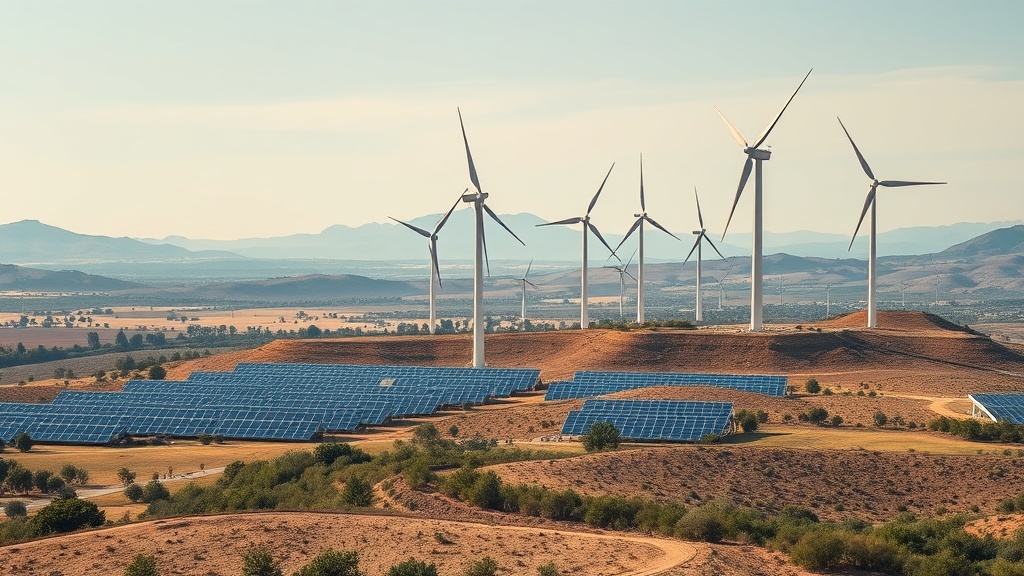
The business case for repowering has evolved significantly. While early efforts were primarily driven by the need to re-qualify for federal Production Tax Credits (PTC), modern strategies now prioritize supply chain stability and long-term asset reliability. Beyond full-scale turbine replacement, many operators are finding success with targeted, cost-effective upgrades to auxiliary systems like cooling, lubrication, and hydraulics. These improvements can reduce operating expenses (OPEX) and improve reliability without the need for a massive capital outlay.
“By delivering a ‘second wind’ to gigawatts of aging assets, we can ensure that the existing wind power generation infrastructure remains productive and competitive for decades to come.”
Ultimately, the resilience of the U.S. wind sector depends on the ability of operators to make informed, data-driven decisions. As much of the domestic fleet reaches maturity, repowering represents the next frontier for industry growth, ensuring that established wind sites continue to contribute to the nation’s clean energy goals for years to come.