




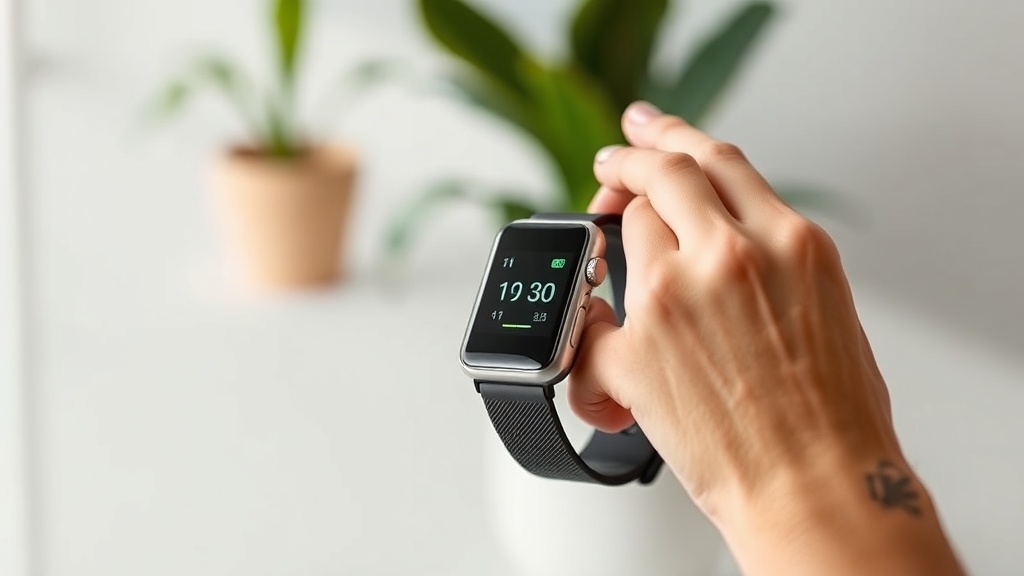
The Evolving Landscape of Personal Health Technology
In recent years, the market for wearable technology has undergone a significant transformation. From sleek rings to advanced wrist-worn bands, companies like Oura and Fitbit have evolved their product lines to offer more than just basic step tracking. Today’s devices are smarter, more aesthetically refined, and deeply integrated into the daily routines of millions of Americans.
However, as these devices become more sophisticated, they are also changing the way consumers engage with their personal health data. Users are increasingly comfortable sharing sensitive biometric information with AI-powered platforms, a shift that signals a new era in consumer wellness.
Beyond Tracking: The Ecosystem of Modern Wearables
The modern wearable experience is no longer limited to simple activity monitoring. Today’s ecosystem includes several key features that are reshaping consumer behavior:
- AI Integration: Advanced algorithms now process biometric data to provide personalized health insights, often delivered through intuitive mobile applications.
- Direct-to-Consumer Testing: Many manufacturers have begun offering health testing services directly through their platforms, allowing users to order laboratory tests based on data collected by their wearables.
- Subscription Models: To access the most detailed analytics and long-term health trends, users are increasingly subscribing to premium services, often paying hundreds of dollars annually for these deep-dive insights.
Do Wearables Actually Keep You Healthy?
While the convenience of having a health coach on your finger or wrist is undeniable, the question remains: does this technology lead to better health outcomes? Experts suggest that while these devices excel at providing data, they do not replace the necessity of medical professional oversight.
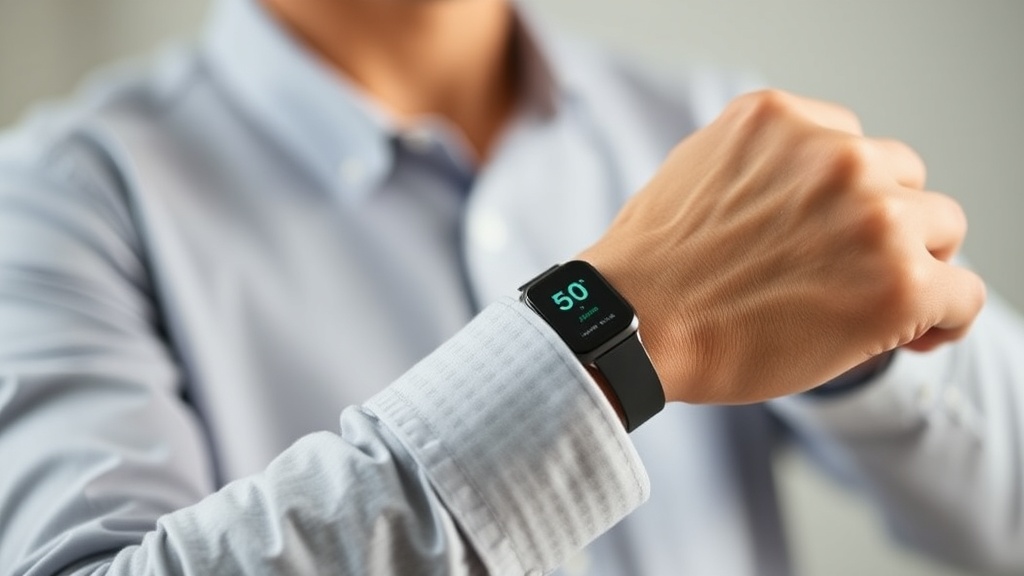
The value of wearable technology lies not just in the collection of data, but in the consumer’s ability to interpret and act upon that information in a healthy, balanced way.
The trend toward integrating AI platforms with wearable devices suggests that companies are betting on the idea that more data leads to better decision-making. By tracking sleep patterns, heart rate variability, and activity levels, users can theoretically identify trends that might indicate a need for lifestyle changes. However, it is essential for users to maintain a critical perspective, viewing these devices as tools for awareness rather than definitive diagnostic instruments.
The Cost of Connectivity
The financial barrier to entry for this technology is rising. Between the initial purchase price of high-end rings or watches and the recurring subscription fees required to unlock full functionality, consumers are investing significantly in their digital health footprint. As this market continues to grow, potential users should weigh the cost of these subscriptions against the tangible benefits they experience in their daily wellness journey.