


Market Performance in June
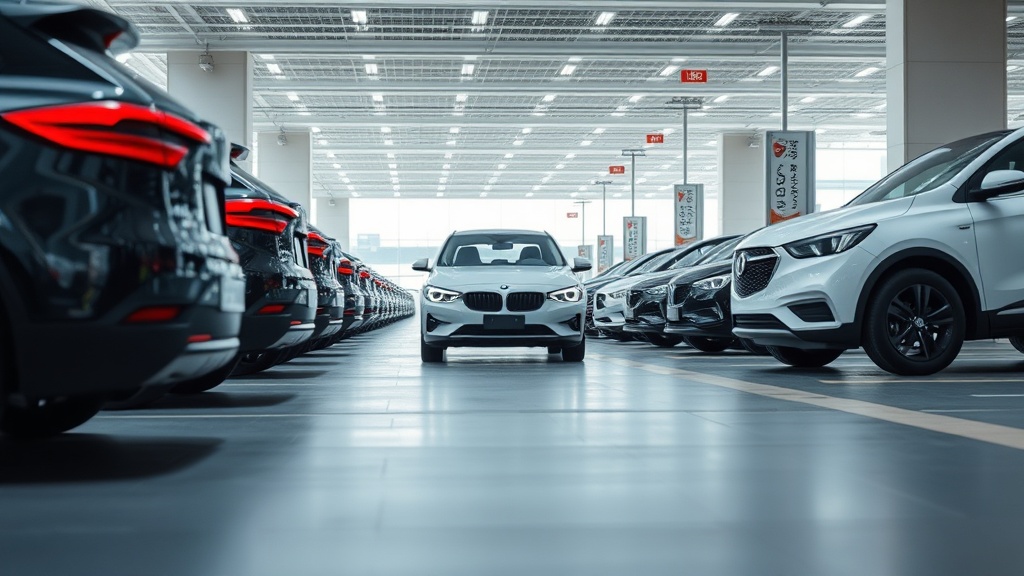
The South Korean market for imported light passenger vehicles experienced a significant rebound in June 2026, with sales rising 37% to 38,059 units compared to 29,860 units in the same month of the previous year. This data, provided by the Korea Automobile Importers & Distributors Association (KAIDA), highlights a broader trend of shifting consumer preferences toward battery electric vehicles (BEVs) and hybrids.
For the first half of 2026, total import sales reached 184,032 units, a 33% increase from the 138,120 units recorded in the first six months of 2025. This performance stands in contrast to the domestic automotive sector, where the five primary local manufacturers reported a 3% decline in domestic sales, totaling 663,491 units year-to-date.
Leadership Shifts and Brand Dynamics
Tesla has emerged as the dominant force in the import segment, capturing a 30% market share. Deliveries for the U.S. automaker increased nearly threefold to 56,139 units during the first half of the year. However, the company has faced local scrutiny following price adjustments made shortly after qualifying for new government BEV incentives introduced in July.
Other major players have seen varying results:
- BMW: Sales rose by approximately 2% to 39,150 units, while its Mini subsidiary experienced a 20% growth to 4,091 units. Combined, these brands represent roughly 23% of the import market.
- Mercedes-Benz: Sales declined by 9% to 29,776 units. The manufacturer is currently working to regain momentum through an expanded product pipeline, planning to introduce ten new or updated models in 2026.
- Volkswagen Group: Reported an 8% increase to 14,775 units, supported by Audi and Porsche demand.
- Toyota and Lexus: Toyota sales grew by 15% to 5,187 units, while the Lexus division saw a 3% increase to 7,819 units.
- BYD: The Chinese automaker saw sales jump ninefold to 7,023 units. Despite this growth, BYD did not qualify for the government’s new points-based incentive system and has signaled a strategic pivot toward the plug-in hybrid market.
Policy Environment
The South Korean government has overhauled its BEV subsidy framework, transitioning from a system based on vehicle range and efficiency to a points-based evaluation. The new criteria assess manufacturers on several factors, including technological capability, supply chain contribution, compliance with local environmental and safety regulations, and the quality of after-sales service infrastructure. This regulatory shift is expected to influence long-term strategy for all international brands operating within the region.