

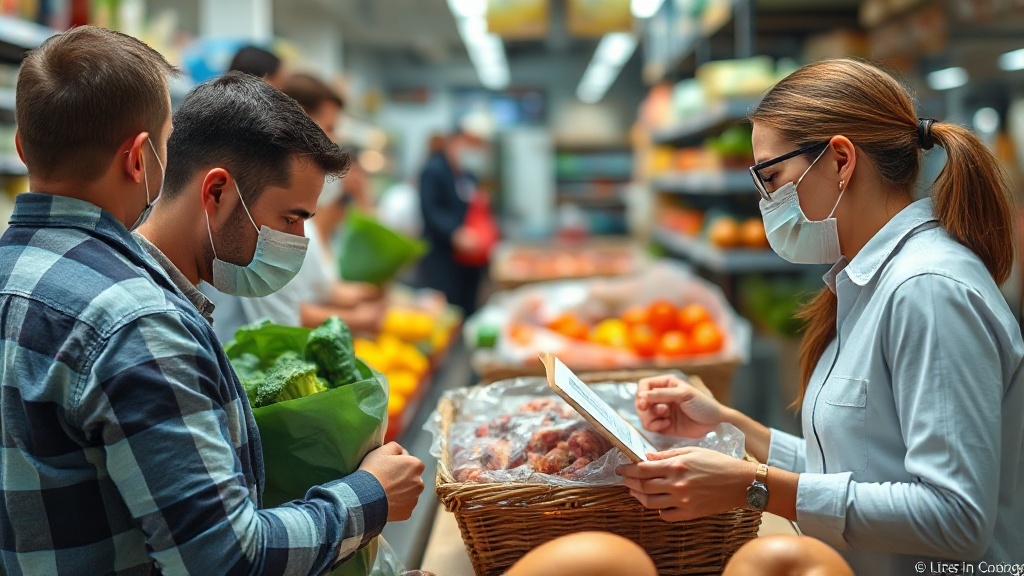
Recent reports indicate that an ongoing outbreak of cyclosporiasis has resulted in approximately 6,700 confirmed cases since May. The intestinal illness, caused by the microscopic parasite Cyclospora cayetanensis, has prompted health authorities to reiterate best practices for food preparation and consumer safety.
Understanding the Cyclospora Parasite
Cyclosporiasis is typically transmitted through the ingestion of contaminated food or water. Unlike some foodborne pathogens that are neutralized by standard refrigeration, the parasite is resilient, often associated with fresh produce that has been exposed to contaminated irrigation water or poor sanitation practices during the harvesting and distribution process.
Public Health Guidance for Consumers
Health experts suggest several precautionary measures to mitigate the risk of infection during active outbreak periods:
- Cooking Greens: While fresh leafy greens are common vectors for the parasite, cooking vegetables thoroughly can effectively kill the organism.
- Produce Hygiene: Thoroughly washing produce is a baseline requirement, though it may not eliminate all risks associated with microscopic parasites trapped in the crevices of leafy vegetables.
- Supply Chain Awareness: Consumers are advised to remain alert to public health notices regarding specific produce recalls or regional alerts issued by food safety authorities.
The scale of the current outbreak, affecting thousands of individuals, highlights the vulnerabilities within the food supply chain. While the illness is generally not fatal for healthy individuals, it causes significant gastrointestinal distress, including prolonged diarrhea, fatigue, and abdominal cramping, which can lead to economic productivity losses and increased demand on primary healthcare services.
Economic Implications
Outbreaks of foodborne illnesses frequently lead to shifts in consumer purchasing behavior, often resulting in temporary declines in demand for specific agricultural categories. Businesses in the food retail and restaurant sectors often face increased scrutiny regarding their sourcing protocols and sanitation standards during such periods, as maintaining public trust becomes critical to sustaining market demand for fresh produce.