

Industry Groups Seek Alignment with Incoming Government’s Industrial Strategy
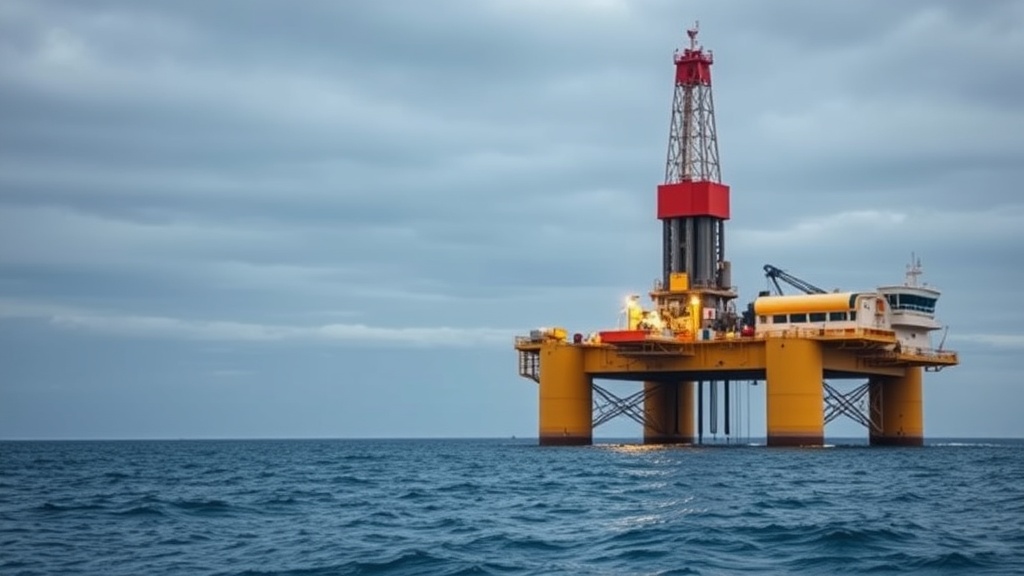
The UK’s North Sea oil and gas sector has launched a coordinated effort to influence the incoming administration’s energy policy. Offshore Energies UK (OEUK), supported by over 10 business associations and the GMB trade union, has issued a formal appeal to more than 400 Labour MPs, advocating for the continued development of domestic oil and gas reserves. The move comes as Andy Burnham prepares to assume the role of prime minister, with industry stakeholders framing domestic production as essential to his broader reindustrialisation agenda.
The lobby’s core argument rests on the premise that a “stronger and fairer” energy transition must leverage existing industrial capabilities. By framing North Sea operations as a pillar of “sovereign manufacturing and production,” the coalition aims to align its objectives with Burnham’s stated goals of driving regional growth and safeguarding critical sectors.
The Status of Rosebank and Jackdaw
At the center of this industrial pressure are the Rosebank oil project and the Jackdaw gas development. Both projects received initial licences under the previous government, a detail that industry proponents argue allows the current administration to approve them without violating manifesto commitments to ban new exploration licences.
While Energy Secretary Ed Miliband has previously expressed strong opposition to these projects—at one point labeling them “climate vandalism”—recent reports suggest a potential shift in stance regarding the Jackdaw development. Approval of the project could offer a pathway to domestic gas production by the upcoming winter, potentially addressing immediate supply concerns.
Economic Context: Energy Costs and Competitiveness
The industry’s push for increased drilling occurs against a backdrop of significant concern regarding the UK’s industrial competitiveness. A joint report by the CBI and Energy UK has highlighted that electricity prices in Great Britain currently sit approximately 45% above the G7 median, a disparity cited as a significant barrier to productivity and growth.
Louise Hellem, chief economist at the CBI, noted that reducing business energy costs should be a “day-one priority” for the incoming government, identifying high electricity prices as a drag on investment and electrification efforts. However, the energy debate remains polarized:
- Industry Perspective: Proponents argue that domestic production is necessary to reduce reliance on volatile international imports and maintain the workforce and infrastructure required for a stable energy transition.
- Environmental Advocacy: Groups such as Uplift maintain that new drilling does not significantly enhance long-term energy security and advocate for an accelerated shift toward renewable energy sources to mitigate reliance on fossil fuels.
As the new government takes office, the decision on these North Sea projects remains a key test of how it will balance the dual imperatives of decarbonization and industrial stability.