



A Significant Capital Return Strategy
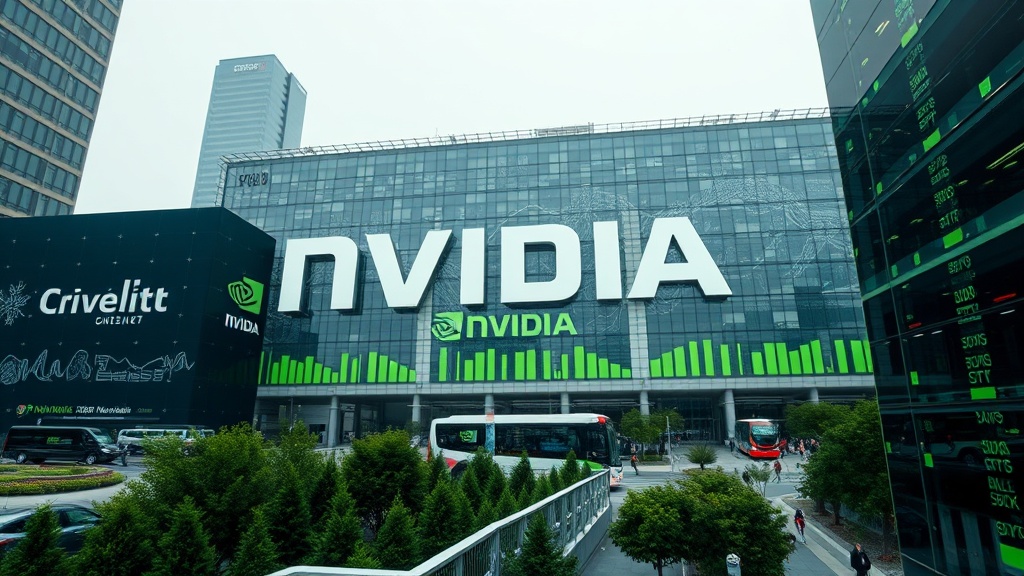
Nvidia has recently made headlines by announcing one of the largest share buyback programs in corporate history. This move serves as a powerful signal of the company’s internal confidence, underscoring its robust financial health and its belief in the long-term growth prospects of its business. By authorizing such a substantial repurchase of its own shares, Nvidia aims to return significant value to its shareholders.
The Analyst Perspective: Is It Enough?
Despite the sheer scale of the buyback announcement, the market reaction has been nuanced. While the move is widely viewed as a positive endorsement of the company’s future, some analysts and market observers are questioning whether this amount is sufficient given the company’s current valuation and rapid expansion in the artificial intelligence sector.
Key Considerations for Investors
- Confidence in Fundamentals: The buyback reflects management’s conviction that Nvidia’s stock remains a sound investment, even at current price levels.
- Market Expectations: In an era where tech giants are sitting on massive cash piles, investors are increasingly looking for aggressive capital allocation strategies.
- Balancing Growth and Returns: There is an ongoing debate regarding how much capital should be returned to shareholders versus how much should be reinvested into research, development, and infrastructure to maintain a competitive edge.

While the buyback announcement is a massive undertaking, market sentiment suggests that investors are looking for sustained growth and even more aggressive capital return programs to justify the company’s high-flying stock price.
As Nvidia continues to lead the charge in semiconductor technology and AI hardware, its capital allocation decisions will remain a focal point for institutional and retail investors alike. Whether this current buyback is merely the beginning or the primary mechanism for shareholder returns remains to be seen in the coming fiscal quarters.