



Market Headwinds Persist for South Korean Tech Giants
The artificial intelligence-driven momentum that has dominated global markets throughout the year faces a notable test as South Korea’s Kospi index experiences significant volatility. Despite a new memory-chip agreement involving Nvidia, major industry players SK Hynix and Samsung Electronics are facing renewed downward pressure on their share prices.
The current market sentiment reflects a broader cooling of the AI-related trade that previously propelled these semiconductor manufacturers to record highs. While Nvidia continues to solidify its supply chain through strategic memory-chip partnerships, investors appear increasingly cautious regarding the sustainability of the current growth trajectory for hardware suppliers.
The Impact of Shifting Market Sentiment
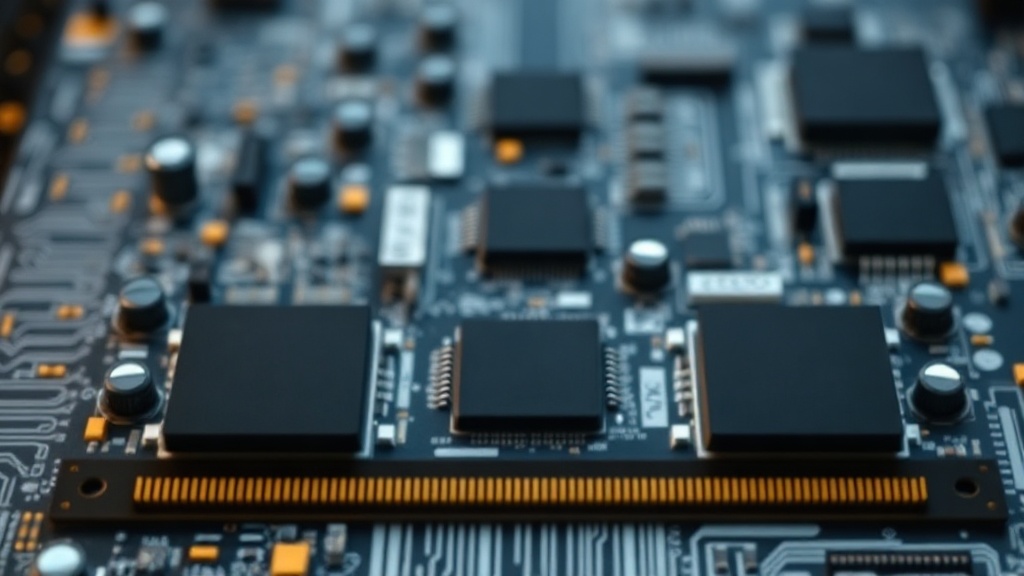
Market analysts are observing a divergence between Nvidia’s corporate development and the equity performance of its primary memory partners. Historically, the integration of high-bandwidth memory (HBM) into advanced AI processors has been a primary growth catalyst for both SK Hynix and Samsung. However, the recent decline in the Kospi index suggests that broader macroeconomic concerns or inventory cycle adjustments may be weighing more heavily on investor sentiment than individual supply-side contracts.
- Sector Volatility: The semiconductor industry remains sensitive to global demand signals and capital expenditure cycles.
- AI Trade Sustainability: Market participants are closely monitoring whether the current supply agreements translate into sufficient long-term revenue growth to justify current valuation multiples.
- Regional Market Pressure: As a significant component of the South Korean exchange, the performance of these semiconductor giants exerts substantial influence on the overall health of the Kospi index.
As the market continues to recalibrate, the focus remains on whether these supply-chain developments can provide a floor for equity prices or if the broader trend of profit-taking in the technology sector will persist. Investors are expected to watch upcoming guidance from both chip manufacturers and their primary customers for clarity on future demand volumes.