

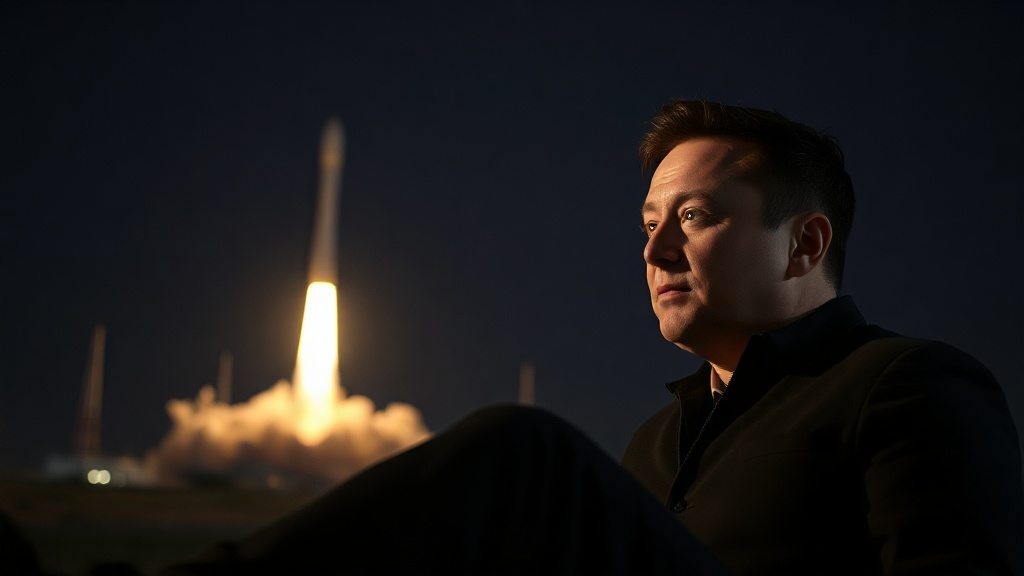



As private space exploration continues to capture investor attention, the discussion surrounding potential equity exposure to industry leaders like SpaceX often shifts toward historical comparisons with other high-growth technology companies. While retail interest in space-focused assets remains elevated, market participants are frequently evaluating the structural differences between private aerospace ventures and publicly traded automotive or technology firms.
The Complexity of Private Market Valuation
Unlike publicly traded companies, SpaceX remains a private entity. For investors, this implies a fundamentally different risk profile and entry mechanism compared to the public stock market. While comparisons to the historical performance of companies like Tesla are common in financial media, analysts often emphasize that private valuations are subject to distinct liquidity constraints and disclosure standards.
Key Differences for Institutional and Retail Analysis
When assessing companies operating in capital-intensive sectors like aerospace, the primary considerations for long-term outlooks typically include:
- Liquidity: Private shares do not trade on public exchanges, limiting exit opportunities for the average investor.
- Capital Intensity: The aerospace industry requires massive upfront R&D and infrastructure investment before consistent cash flow can be achieved.
- Regulatory Environment: Space operations are subject to rigorous government oversight and national security protocols, which can influence long-term operational success.
Maintaining a Long-Term Perspective
Market observers frequently highlight that attempting to time entry points based on short-term price movements—as seen in the public equity markets—is significantly more challenging in the private sector. Financial literacy experts suggest that rather than focusing on daily performance benchmarks, investors should prioritize the underlying economic fundamentals of the space industry, including launch frequency, payload costs, and the development of sustainable business models for satellite connectivity and orbital logistics.
As the space economy evolves, the focus for the broader market remains on how these entities navigate the balance between aggressive technological innovation and the realities of high-interest-rate environments, which can increase the cost of capital for speculative or growth-heavy ventures.