




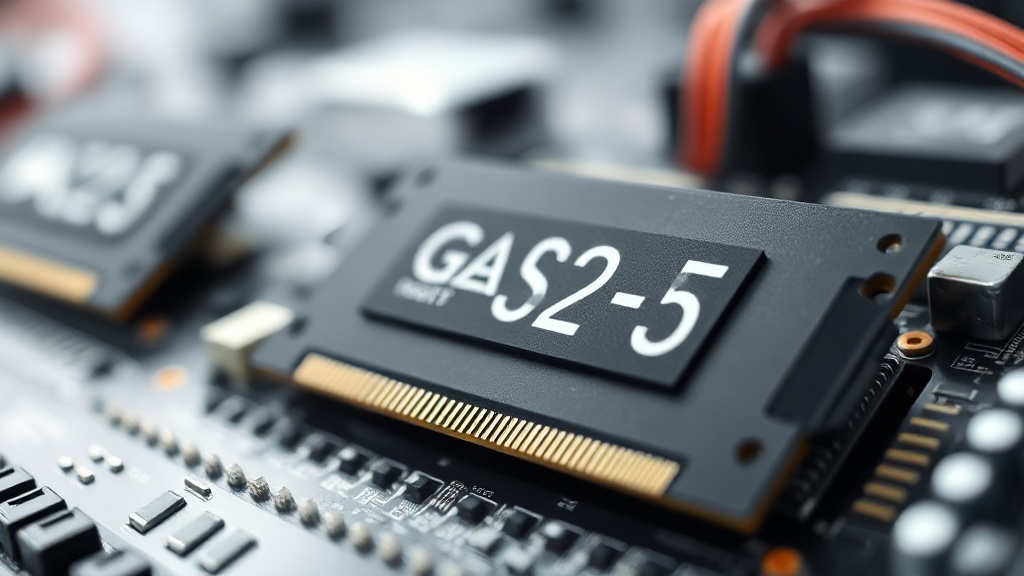
The semiconductor industry is currently navigating a period of significant supply constraint, as demand for advanced memory chips continues to outpace available production capacity. Market indicators suggest that even major technology firms are facing upward pressure on procurement costs for essential memory components, reflecting broader challenges within the global electronics supply chain.
Supply-Demand Imbalance Persists
Despite ongoing capital expenditures aimed at expanding manufacturing footprints across the semiconductor sector, the current supply landscape remains tight. Industry analysts observe that the rapid integration of high-performance memory in consumer electronics, data centers, and artificial intelligence infrastructure is creating a sustained demand floor that existing manufacturing capacity struggles to meet.
Market Implications for Tech Hardware
The persistence of these supply constraints has direct implications for hardware manufacturers. When memory chip costs rise, companies that rely on high-volume production face a narrowing of margins unless those costs are passed on to end consumers or mitigated through supply chain efficiencies. Recent market activity, including the upward movement in stock prices for major memory manufacturers like Micron, reflects investor sentiment regarding the pricing power currently held by chip suppliers.
The Outlook for Semiconductor Capital Expenditure
While industry leaders have announced significant investment plans to increase wafer output, these projects often carry long lead times. The cyclical nature of the memory market means that even as supply eventually scales, the immediate environment remains sensitive to:
- Capacity utilization rates: High utilization indicates that fabs are running at peak efficiency, leaving little room for unexpected demand surges.
- Pricing power: Suppliers are currently benefiting from a favorable environment where demand exceeds available inventory.
- Sector-wide cost pressure: Large-scale technology companies, which typically negotiate favorable terms through volume, are now navigating a landscape where memory costs are increasingly difficult to suppress.
As the sector continues to evolve, market participants are closely monitoring whether capacity additions will align with long-term demand trends or if the current supply-side bottlenecks will remain a defining feature of the semiconductor market throughout the near term.