


Market Reaction to Escalating Tensions
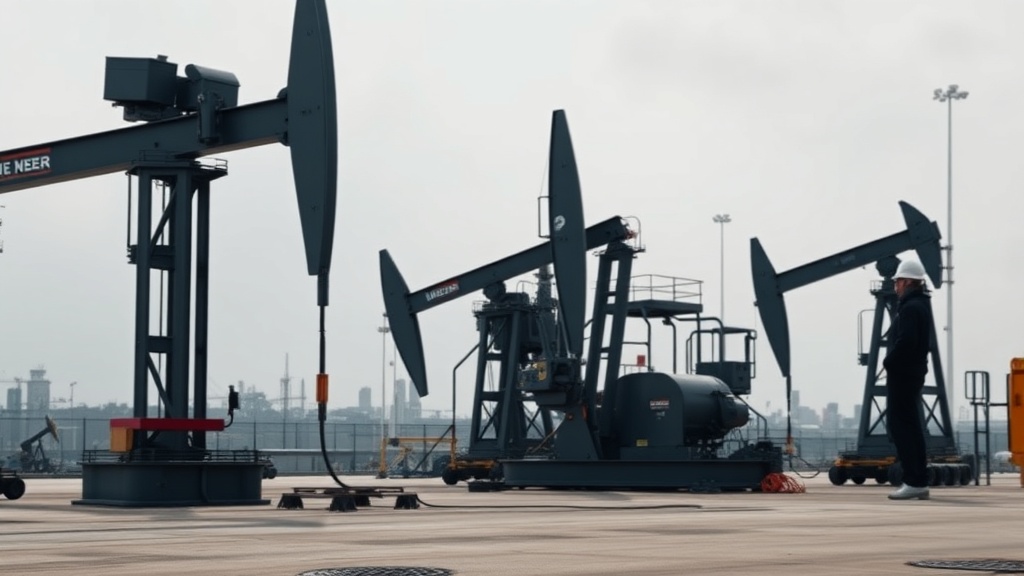
Global oil prices reached a six-week high on Wednesday as geopolitical tensions in the Middle East intensified, raising concerns regarding potential supply chain disruptions in critical energy corridors. The recent price movement reflects market sensitivity to the deteriorating stability in the region, particularly following renewed U.S. military activity.
According to recent reports, oil prices climbed as the United States continued military strikes against targets linked to Iran for the eleventh consecutive night. The market remains focused on the potential for broader regional instability, which historically creates volatility in energy futures.
Strategic Concerns in the Strait of Hormuz
A primary driver for the recent market sentiment is the security of the Strait of Hormuz, a vital maritime chokepoint for global oil transit. Heightened rhetoric regarding the protection of shipping lanes has reinforced the risk premium currently embedded in energy prices.
President Donald Trump recently issued a warning stating that the U.S. would target Iranian infrastructure, specifically mentioning bridges and power plants, should Tehran engage in hostile actions against ships traversing the Strait. This stance has significantly diminished market expectations for a near-term de-escalation of the conflict.
Key Market Implications
- Supply Security: The Strait of Hormuz remains a central concern for traders due to its role in the global distribution of petroleum.
- Geopolitical Risk Premium: Persistent military operations are keeping crude oil prices elevated as investors adjust to the potential for prolonged disruption.
- Policy Uncertainty: The intersection of U.S. foreign policy and energy supply security remains a critical factor for market participants monitoring macroeconomic stability.
As the situation develops, market analysts continue to monitor the impact of these geopolitical developments on global energy markets, noting that the current trajectory of oil prices is heavily influenced by the lack of visible diplomatic progress toward de-escalation.