




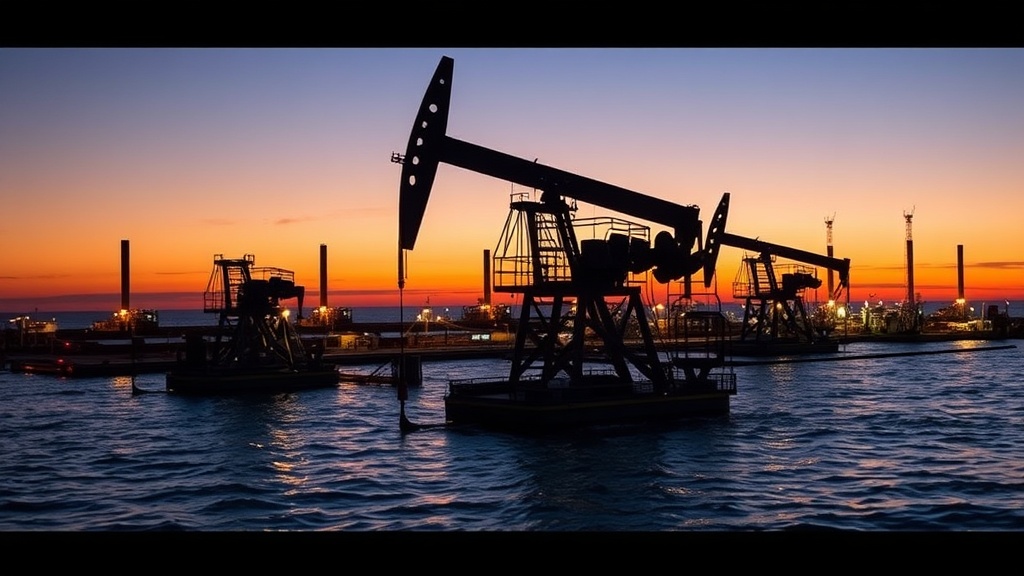
Market Stability Amid Geopolitical Friction
The global oil market has demonstrated unexpected resilience in recent months, maintaining relatively steady price levels despite a backdrop of severe geopolitical tensions and persistent energy security concerns. While historical precedents often suggest that such volatility triggers sharp price spikes, current conditions have defied traditional expectations of a worst-case energy crisis.
Market analysts have identified several factors contributing to this stabilization. However, there is a growing consensus among industry observers that the mechanisms currently shielding the market from extreme shocks may be temporary, leaving the energy sector vulnerable to a future reckoning should supply-demand imbalances widen.
Key Factors Supporting Current Price Stability
According to recent market analysis, three primary dynamics have played a pivotal role in preventing a catastrophic rise in crude oil prices:
- Supply Diversification: Producers outside of traditional conflict zones have managed to sustain output, effectively offsetting potential disruptions elsewhere in the global supply chain.
- Strategic Consumption Patterns: Industrial demand in key economies has shown a measured approach, preventing the type of rapid consumption growth that typically exacerbates price surges.
- Efficient Logistics and Workarounds: The global trade network has successfully utilized various logistical adaptations to navigate sanctioned trade routes and geopolitical bottlenecks, ensuring that crude continues to reach refinery centers.
The Sustainability Question
Despite this period of relative calm, experts caution that reliance on current workarounds is not a permanent solution for energy stability. The market’s ability to maintain equilibrium depends heavily on the continued efficacy of these logistical adaptations and the absence of further escalations in major oil-producing regions.
As the global economy navigates ongoing macroeconomic headwinds, the energy sector remains a critical monitor for investors and policymakers. Any significant shift in the current supply-demand equation—whether through sudden production cuts or an unexpected surge in demand—could quickly expose the fragility of the current price structure. For now, the market remains in a state of watchful waiting, balancing immediate stability against the risk of future volatility.