



Kevin Warsh Appointed as New Chair of the Federal Reserve
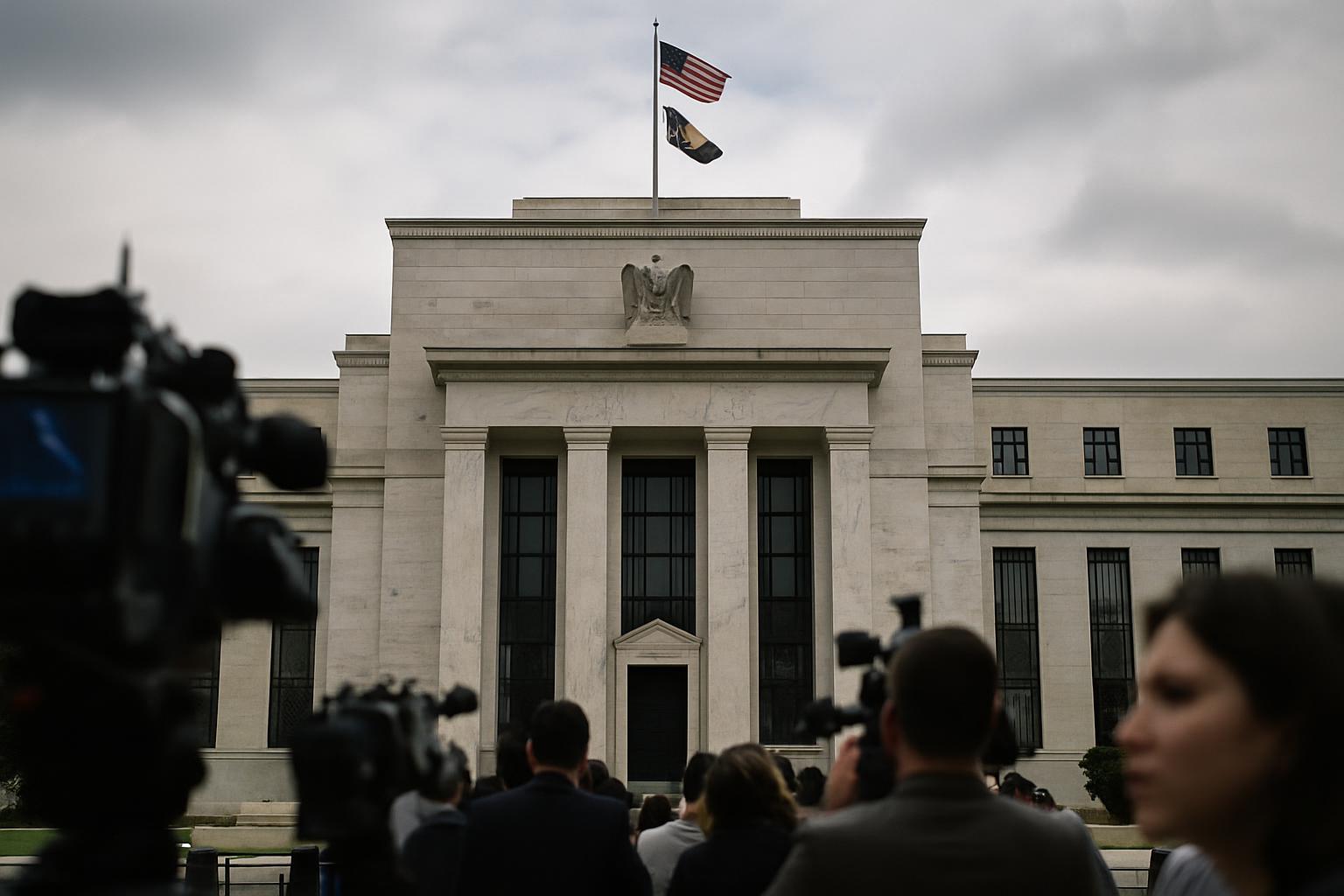
The United States Senate has officially confirmed Kevin Warsh as the new Chair of the Federal Reserve, one of the most influential positions in the U.S. government that directly impacts the nation’s economy. Warsh will serve a four-year term, taking over the role from Jerome Powell, whose term concludes on May 14, 2026.
Details of the Confirmation
The confirmation vote was notably divided along party lines, with a final tally of 54-45. The only Democrat to support Warsh was Senator John Fetterman of Pennsylvania, marking the most contentious confirmation process in the history of the Fed chair appointment. The vote reflects the deep partisan divide surrounding monetary policy and Fed leadership amid current economic challenges.
Context and Expectations
Warsh’s appointment comes at a critical time for the Federal Reserve. The central bank faces mounting pressure from the Trump administration and other political figures to lower interest rates, even as inflation has risen to approximately 3.8%. Warsh, a former Fed governor from 2006 to 2011, is known for his hawkish stance on inflation — advocating for higher interest rates to control rising prices.
He is set to assume office as the Fed grapples with the complex task of balancing economic growth with inflation control. Warsh’s stance aligns with recent calls for rate cuts, but convincing the remaining members of the Fed’s 12-member Federal Open Market Committee (FOMC) to lower rates may prove challenging given the inflationary pressures.
Background and Political Dynamics
Warsh’s previous tenure at the Fed was characterized by a focus on inflation hawkishness. He left the board in 2011 due to disagreements over the Fed’s post-crisis stimulus policies. Despite his conservative monetary views, Warsh has emphasized maintaining the Fed’s independence and insulating monetary policy from political influence.
“Warsh has repeatedly stated that he would take politics out of monetary policy and uphold Fed independence,”
During recent hearings, Warsh refused to comment on election outcomes, raising concerns among Democrats who worry about potential political influence, especially given his past associations and policy stances. Critics have accused him of being a close ally of former President Trump, with some labeling him as a potential “sock puppet” to influence rate decisions in favor of political interests.
Reactions and Future Outlook
Senator Elizabeth Warren criticized Warsh’s nomination, suggesting it was part of an attempt by Trump to sway Fed policy for political gains. Meanwhile, Senator John Thune expressed frustration with Democratic opposition, citing partisan politics as a barrier to effective Fed leadership.
Warsh’s confirmation marks a significant shift in the Federal Reserve’s leadership. As he steps into his new role, financial markets and economic policymakers will be closely watching how his policies influence interest rates, inflation, and overall economic stability in the coming years.
Conclusion
The appointment of Kevin Warsh as the Fed Chair underscores the ongoing political debates about the role of the central bank and its independence. With inflation rising and global economic uncertainties persisting, Warsh’s leadership will be pivotal in shaping the U.S. monetary policy landscape through 2030.