




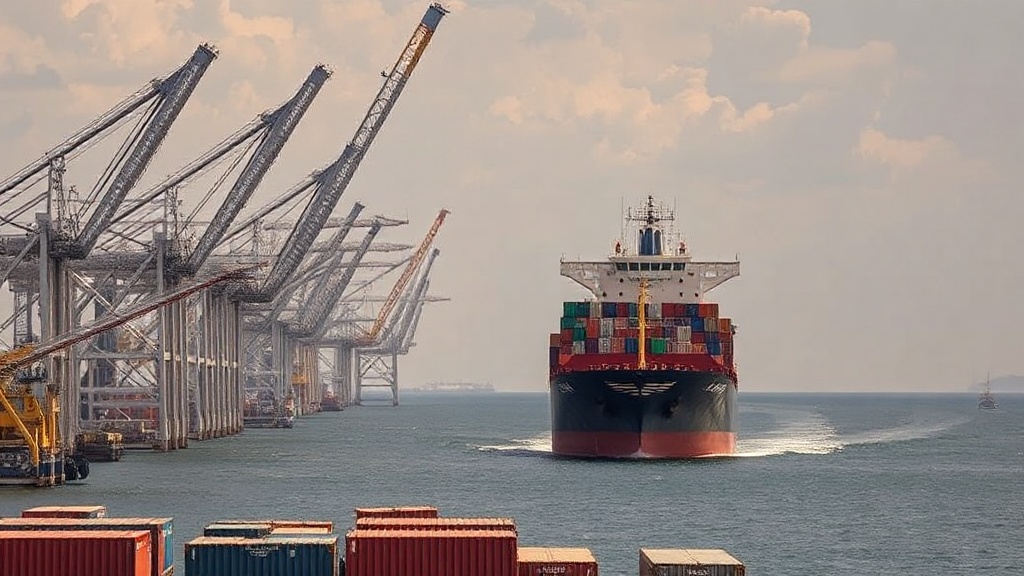
Recent diplomatic shifts, specifically the interim peace agreement between the United States and Iran, have brought renewed focus to the logistical stability of the Strait of Hormuz. While these developments have addressed immediate geopolitical tensions, market analysts are increasingly scrutinizing the persistent uncertainties regarding the prioritization of cargo transit through this critical maritime chokepoint.
Prioritization of Energy Flows
A central concern for global supply chains is the potential for a tiered transit system, where crude oil and refined petroleum products are granted preferential passage through the Strait of Hormuz. As one of the world’s most vital energy arteries, the Strait serves as a primary route for oil exports from the Persian Gulf to international markets. Historical precedent and the strategic importance of global energy security suggest that in any scenario where transit capacity is restricted or managed, energy commodities are likely to take precedence.
The Vulnerability of Secondary Commodity Supplies
The potential for a ‘first-come, first-served’ or priority-based transit mechanism poses significant risks to non-energy commodities, most notably fertilizers. Fertilizer production and distribution are highly sensitive to logistical disruptions. If energy shipments are prioritized to maintain global oil market stability, other essential industrial and agricultural inputs risk becoming stranded or facing indefinite delays.
Key Implications for Global Markets:
- Logistical Bottlenecks: Non-oil cargo may face extended lead times, disrupting downstream supply chains that rely on steady imports of chemical and agricultural precursors.
- Price Volatility: Uncertainty surrounding the reliable delivery of secondary commodities could lead to increased price volatility in agricultural markets, as fertilizer costs are a significant component of global food production expenses.
- Strategic Dependency: The reliance on the Strait of Hormuz highlights the lack of viable alternative shipping routes for large-scale commodity transport, underscoring the vulnerability of global trade to regional geopolitical dynamics.
While the interim diplomatic framework aims to de-escalate regional friction, it currently lacks granular detail regarding the operational protocols for non-oil commercial shipping. For businesses and market participants, the Strait of Hormuz remains a critical variable in assessing the resilience of global supply chains. Until clear protocols are established that ensure equitable or predictable transit for all essential goods, the risk of supply chain fragmentation remains a tangible concern for the agricultural and industrial sectors.