


SpaceX Market Position and Strategic Moves
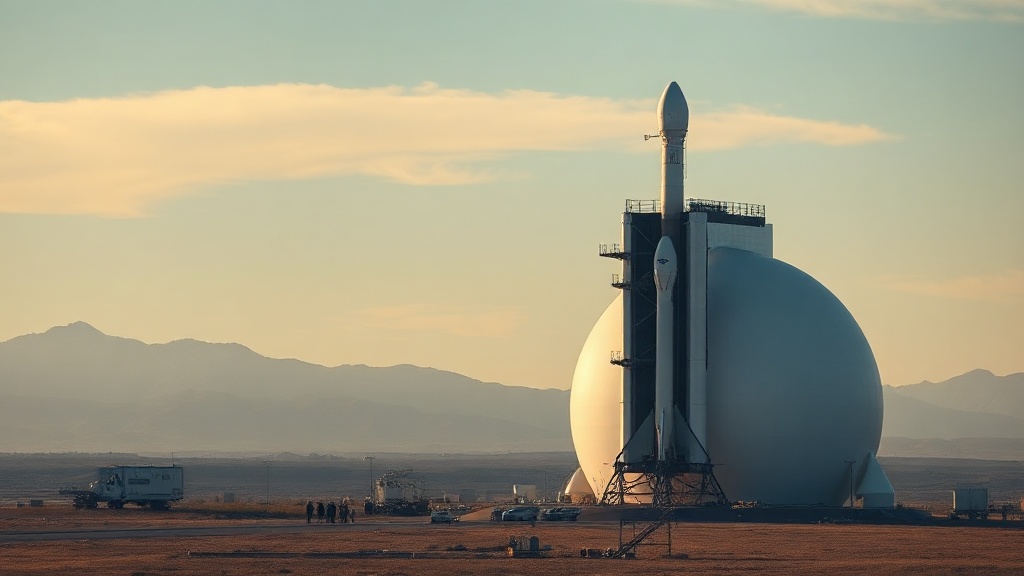
SpaceX, the aerospace company founded and led by Elon Musk, has continued to draw significant attention from market observers as its valuation metrics evolve. Recent reports indicate that the company is reaching valuation levels that place it among the most highly valued entities globally, reflecting sustained investor interest in the private space exploration and satellite communications sectors.
Strategic Acquisition Intentions
Beyond its primary aerospace operations, SpaceX has signaled further expansion into the technology sector. The company has formally announced plans to exercise an option to acquire Cursor, an artificial intelligence startup. This move highlights a broader trend among major aerospace and infrastructure firms to integrate advanced AI capabilities into their existing technological stacks.
Implications for the AI Landscape
The decision to acquire Cursor suggests a deepening commitment to leveraging machine learning and AI to optimize operational efficiency, potentially impacting areas ranging from autonomous flight systems to large-scale data processing within the company’s Starlink network. While the specific financial terms of the Cursor acquisition have not been fully disclosed, the move underscores the intensifying competition for AI talent and intellectual property among major industry players.
Broader Market Context
SpaceX’s trajectory remains a subject of intense focus for market analysts who monitor the intersection of private equity, aerospace technology, and artificial intelligence. As the company continues to scale its operations, its valuation remains closely tied to the successful execution of its long-term objectives, including the expansion of global satellite internet and the development of next-generation launch vehicles.
Investors and industry observers continue to track these developments as indicators of how private capital flows into high-growth technology sectors. The company’s ability to pivot into AI-driven software solutions represents a strategic shift that may redefine the competitive landscape for aerospace firms in the coming years.