


As global demand for artificial intelligence compute power continues to scale rapidly, infrastructure leaders are increasingly looking toward unconventional environments to host the next generation of data centers. Elon Musk, CEO of SpaceX, recently addressed the technical viability of deploying data centers in orbit, suggesting that the concept is a manageable engineering challenge rather than an insurmountable hurdle.
Evaluating the Feasibility of Space-Based Infrastructure
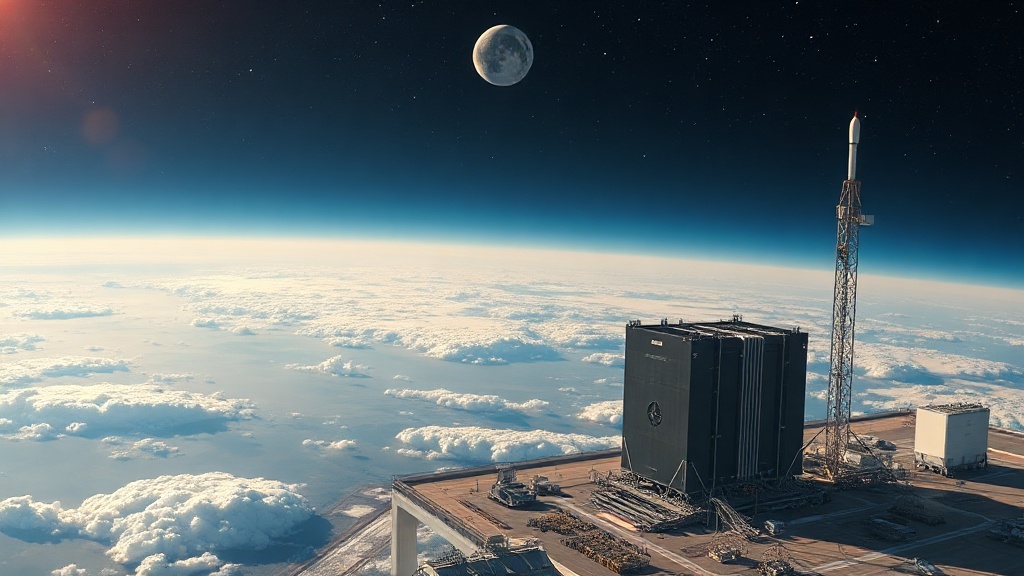
The proposal to move AI data centers into space aims to address the significant logistical and energy constraints faced by terrestrial facilities. By leveraging orbital solar power—which offers continuous access to sunlight—and the natural cooling properties of the space environment, proponents argue that orbital compute could bypass current limitations related to power grid capacity and heat dissipation on Earth.
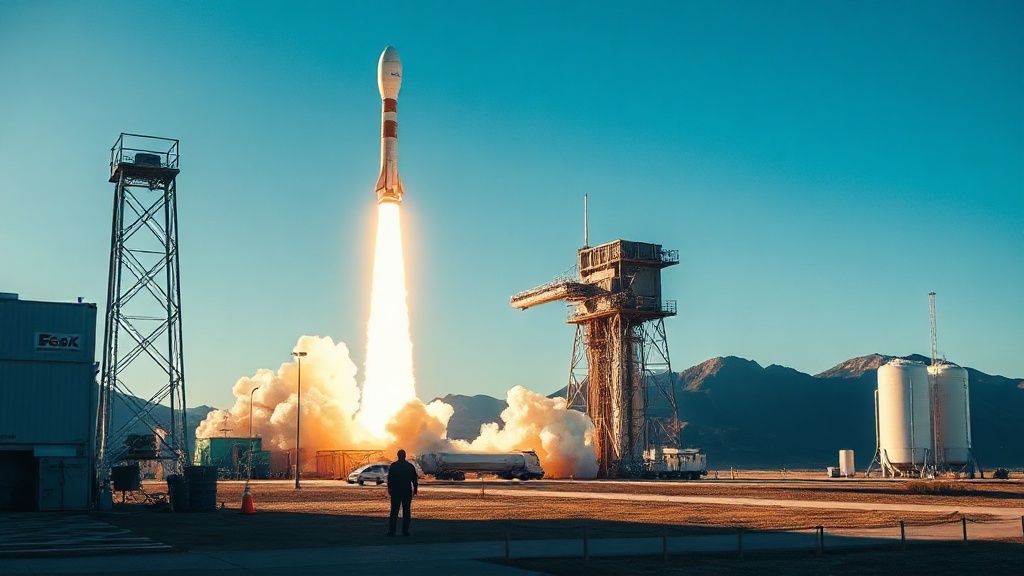
While industry critics have pointed to the immense technical difficulties associated with launching and maintaining complex server hardware in microgravity, Musk maintains that the project does not require technological “magic.” Instead, he frames the endeavor as a matter of industrial scale and logistical execution, particularly as launch costs continue to decline with the ongoing development of the Starship launch vehicle.
Logistical and Economic Implications
For investors and business analysts, the shift toward orbital infrastructure represents a long-term evolution in the AI supply chain:
- Energy Efficiency: Orbital solar arrays could provide a constant power source, potentially lowering the carbon footprint associated with high-intensity model training.
- Thermal Management: Operating in a vacuum allows for different thermal management strategies compared to Earth-bound data centers, which currently consume vast amounts of water and electricity for cooling.
- Latency and Connectivity: While orbital centers would face challenges regarding data transmission speeds compared to terrestrial fiber, they may serve specific high-compute tasks that are not strictly latency-sensitive.
According to reporting from MarketWatch, Musk’s perspective emphasizes that the primary barrier is not the fundamental physics of the project, but rather the scaling of launch capabilities. As private space firms continue to iterate on reusable rocket technology, the threshold for transporting heavy payloads—such as specialized server racks—into low Earth orbit is expected to become increasingly favorable.
The Broader Context for AI Compute
The conversation around space-based data centers arrives at a time when major technology firms are struggling to secure enough electricity to power terrestrial AI clusters. As power grids in key metropolitan areas approach capacity, the search for alternative energy solutions and decentralized locations has become a primary focus for the sector. While space-based data centers remain a conceptual solution for the current cycle, the discourse underscores the extreme measures being considered to sustain the current pace of AI development.