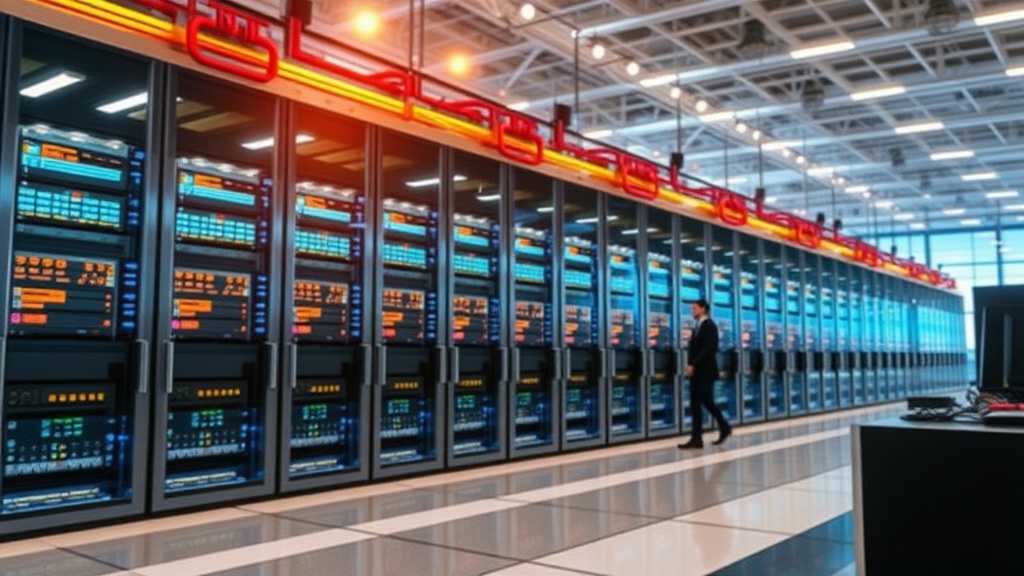



Qualcomm, a company long synonymous with mobile chip architecture and smartphone connectivity, is currently navigating a significant structural transformation. The semiconductor giant is aggressively pivoting toward the data-center market, a sector currently dominated by Nvidia and its high-performance graphics processing units (GPUs).
The Scale of the Ambition
As reported by MarketWatch, Qualcomm is undertaking a $40 billion transformation initiative aimed at diversifying its revenue streams away from its historical reliance on mobile handsets. This move represents a high-stakes gamble to capture market share in the rapidly expanding artificial intelligence (AI) and cloud computing infrastructure sectors.
Early Adoption and Industry Signals
A critical indicator of the viability of this strategy is the early reception from major technology conglomerates. Meta Platforms has emerged as an early adopter, signaling potential demand for alternative chip architectures in large-scale data centers. While Nvidia remains the standard-bearer for AI compute, the willingness of major hyperscalers to integrate Qualcomm technology suggests a broader industry appetite for supply chain diversification and specialized compute solutions.
Market Context and Competitive Landscape
The data-center chip market has experienced exponential growth, driven by the global integration of generative AI. For Qualcomm, the challenge lies in balancing its legacy expertise in power-efficient mobile processors with the extreme performance requirements of enterprise data centers.
- Operational Shift: Moving from the mobile-first model to high-performance computing requires a fundamental recalibration of hardware design and software ecosystems.
- Market Integration: Competing against established leaders requires not just hardware parity, but robust software support and developer tools that can challenge existing proprietary ecosystems.
- Strategic Diversification: The shift serves as a hedge against the cyclical nature of the global smartphone market, which has faced periods of cooling demand in recent years.
Investors and analysts are watching closely to see if Qualcomm can translate its mobile dominance into a sustainable footing in the data center. The $40 billion investment underscores the company’s commitment to this transition, though the path to capturing significant market share from entrenched competitors remains a multi-year project contingent on hardware performance and successful software adoption by major cloud providers.