


Strategic Shift for Media Conglomerate
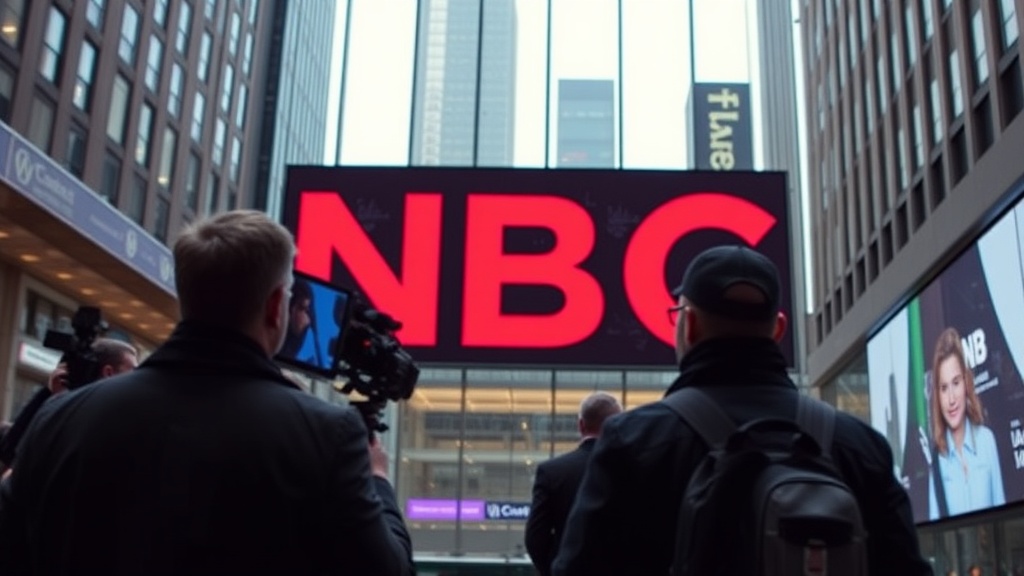
Comcast Corporation officially announced on Monday its intention to spin off its NBCUniversal media division into a separate, independent company. This move marks a significant reversal in strategy for the telecommunications giant, effectively ending a 15-year period during which the media assets were integrated into the broader Comcast business structure.
The decision to separate the media arm—which includes the NBC broadcast network, the Universal film studio, and various cable networks—comes as traditional media companies navigate a rapidly shifting landscape defined by the decline of linear television and the intense competition for streaming market share.
Context of the Acquisition
Comcast originally acquired a majority stake in NBCUniversal from General Electric in 2011, later moving to full ownership. At the time, the deal was framed as a major vertical integration play, intended to combine the company’s dominant broadband and cable distribution infrastructure with a massive content production engine.
However, the media industry has faced mounting pressure in recent years. The rise of direct-to-consumer streaming platforms and the erosion of the traditional cable bundle model have fundamentally changed the economics of large-scale media conglomerates. By spinning off the division, Comcast aims to allow both the parent telecommunications firm and the new media entity to focus on their respective core competencies and capital allocation priorities.
Implications for the Market
The separation is expected to have notable implications for investors and analysts who have long debated the value of the ‘bundled’ model in an era of cord-cutting. While the specific financial structure of the spin-off remains subject to further disclosure, the move is being closely watched as a potential bellwether for other large media conglomerates currently weighing their options in a fragmented digital market.
As the company moves forward with this transition, stakeholders will be focused on how the new entity intends to manage its portfolio in the face of ongoing content cost inflation and evolving consumer viewing habits.