



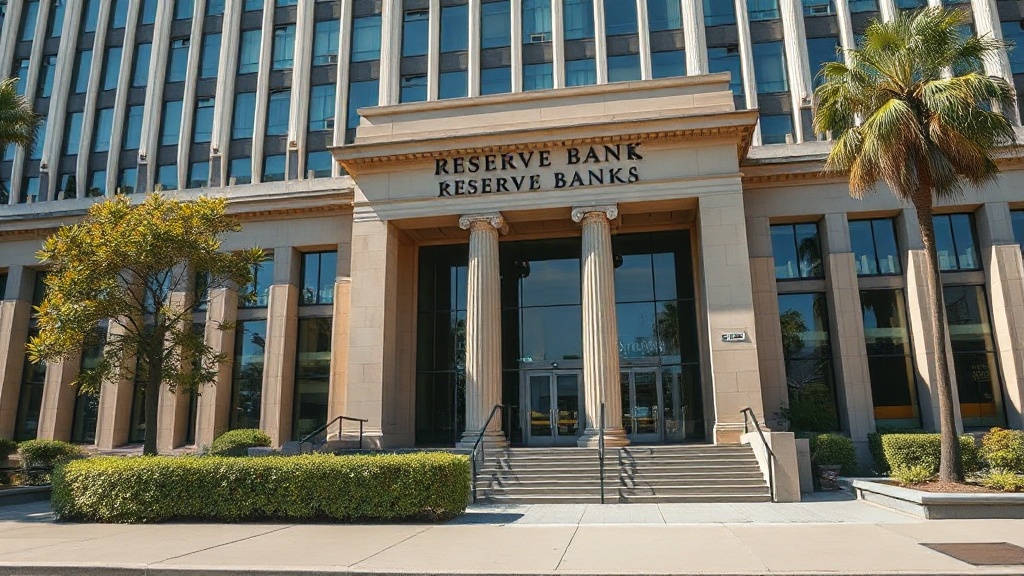
The Reserve Bank of Australia (RBA) has opted to maintain the official cash rate at 4.35% following its latest policy meeting. While the decision aligns with broader market expectations, the central bank’s commentary emphasized that inflation remains persistently high, keeping the possibility of future rate increases firmly on the table.
The RBA board stated that the current economic environment requires a delicate balance. While there are emerging signs that domestic activity is decelerating as intended, the central bank maintains that further demand suppression is necessary to bring inflation back to its target range. The board highlighted that it remains prepared to increase the cash rate further should economic conditions fail to align with its inflation objectives.
Macroeconomic Headwinds and Market Outlook
The decision comes at a time of mounting pressure on Australian households. Real GDP growth slowed to 0.3% in the March quarter, down from 0.9% in the final quarter of 2025. Simultaneously, the labor market has shown signs of softening, with the unemployment rate rising to 4.5% in May—the highest level recorded since 2021.
Global factors, particularly energy costs, continue to complicate the domestic outlook. The RBA acknowledged that supply-side disruptions, specifically related to oil, are already beginning to reflect in the pricing of goods and services. Analysts at Westpac have warned that inflation could peak as high as 4.7% in late 2026, driven by elevated freight and fuel costs resulting from ongoing geopolitical tensions in the Middle East.
Financial Implications
For mortgage holders, the pause provides a temporary reprieve but little long-term certainty. Current analysis suggests that the cumulative effect of previous rate hikes is creating a more pronounced strain on household budgets compared to previous years, as pandemic-era savings buffers continue to deplete.
Financial markets remain divided on the trajectory of monetary policy. While some major banking institutions have projected that rates may have reached their peak, market pricing indicates a continued expectation of volatility over the next 12 months. The RBA board noted that it is currently monitoring the effectiveness of past hikes and the evolving impact of oil supply disruptions before committing to a future course of action.
Government officials have noted the difficulty of the current environment. Treasurer Jim Chalmers remarked that while the pause does not alleviate existing financial pressures on the populace, it avoids adding immediate further strain. As the central bank continues to assess incoming data, the path forward remains contingent on the speed at which the domestic economy slows and the stability of global energy markets.