




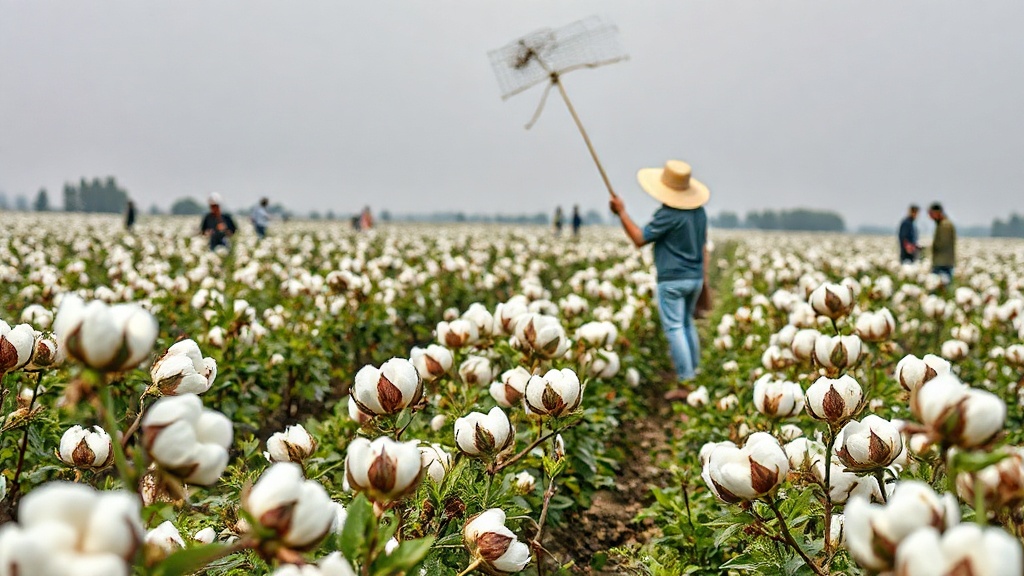
Focus on Producer Communities and Risk Distribution
The Organic Cotton Summit 2026, held from June 2–4 in Istanbul, brought together nearly 270 delegates from 24 countries to address the future of the organic cotton industry. Jointly organized by the Organic Cotton Accelerator (OCA) and Textile Exchange, the event highlighted the necessity of integrating farming communities more deeply into decision-making processes as the sector scales.
The summit served as a strategic platform for stakeholders—including brands, retailers, financial representatives, and producers—to align on strategies for long-term industry stability. A central theme throughout the discussions was the shift toward a more balanced distribution of risk across the global supply chain. Currently, industry experts argue that a disproportionate share of operational and climate-related risk rests with farmers, a dynamic that threatens the long-term viability of organic cotton production.
Addressing Systemic Challenges
Discussions at the summit centered on several interconnected issues critical to the textile sector’s growth:
- Climate Resilience: Adapting farming practices to shifting environmental patterns while improving soil health and biodiversity.
- Regulatory Compliance: Navigating increasingly stringent due diligence requirements and regional policy shifts.
- Transparency and Traceability: Utilizing data-driven systems to monitor environmental outcomes and enhance accountability.
- Economic Sustainability: Increasing direct investment into farming communities to secure supply chains.
Bart Vollaard, executive director of the Organic Cotton Accelerator, emphasized that the sector must function as a cohesive ecosystem. “No ecosystem can thrive if too much risk sits with one group,” Vollaard noted during the event. “Our collective challenge is to build a system where responsibility, value, and risk are shared more fairly.”
Practical Integration and Field Insights
Beyond theoretical discussions, the summit included a field visit to Aydın, Türkiye, hosted by local partner Akasya. Participants observed active cotton fields during the growing season and toured local ginning facilities, providing a practical view of the challenges faced by producers at the ground level.
The consensus among participants was that scaling the organic cotton sector requires more than just increased consumer demand. It necessitates long-term financial commitments, deeper cooperation across the value chain, and an active focus on the economic well-being of the communities responsible for cultivation. By leveraging regulatory compliance as a tool for creating more robust, farmer-centric sourcing practices, the industry aims to create a more stable foundation for future growth.